

An inground swimming pool is a type of swimming pool built into the ground, known for its durability and aesthetic appeal. An inground pool might be the perfect addition to your home.
Inground pools offer a luxurious escape right in your backyard. Unlike above-ground swimming pools, inground swimming pools provide long-term value, transforming outdoor spaces into personal retreats.
Choosing the right pool type is crucial. It impacts your enjoyment, maintenance, and budget.
There are several inground pool types to consider, and each represents a different type of pool. Each offers unique benefits and features.
Concrete, vinyl liner, and fiberglass are the main types. Each type of pool has its own charm and challenges.
Understanding these options helps you make an informed decision. It ensures your pool aligns with your lifestyle.
This guide will explore different kinds of inground pools and swimming pools in general. We’ll help you find the best fit for your needs.
Join us as we dive into the world of inground pool options. Whether you are considering an in ground swimming pool or exploring the variety of in ground pools available, this guide will provide valuable insights.
Understanding Inground Pool Types: An Overview
Choosing an inground pool involves more than just aesthetics. It’s about finding a pool that suits your space and lifestyle. Each pool type offers distinct features to consider. When evaluating each type of inground pool, it’s important to understand the construction, benefits, and features.
Let’s break down the options. Here are the three main inground pool types:
- Concrete Pools: Highly customizable with endless design possibilities.
- Vinyl Liner Pools: Known for affordability and smooth surfaces.
- Fiberglass Pools: Quick installation with low maintenance needs.
Each type has its own set of advantages and potential drawbacks. Understanding these differences is key, especially for long-term pool ownership satisfaction. It ensures you select the pool that best matches your needs and expectations. Now, let’s explore each type in detail and unravel what makes them unique.
Concrete Inground Pools: The Customizable Classic
Concrete pools have long been a favorite among homeowners. They offer unmatched flexibility in design. You can create unique shapes and sizes to fit your vision, which is one of the most significant advantages of concrete pools. Among the significant advantages is the ability to customize the pool’s shape and add detailed features that are not possible with other materials.
These pools are built using reinforced concrete. This process ensures durability and strength, directly influencing the pool’s structure and pool surface. It allows for complex designs, including features like waterfalls and custom lighting.
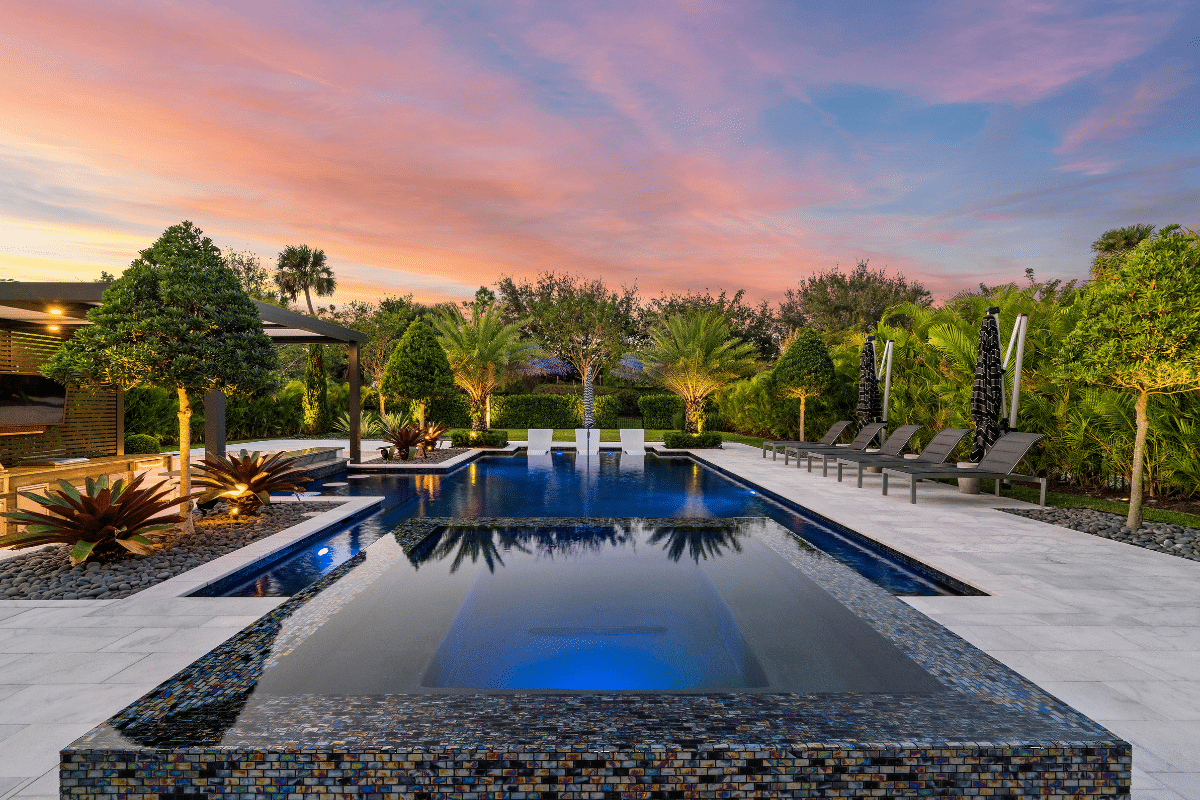
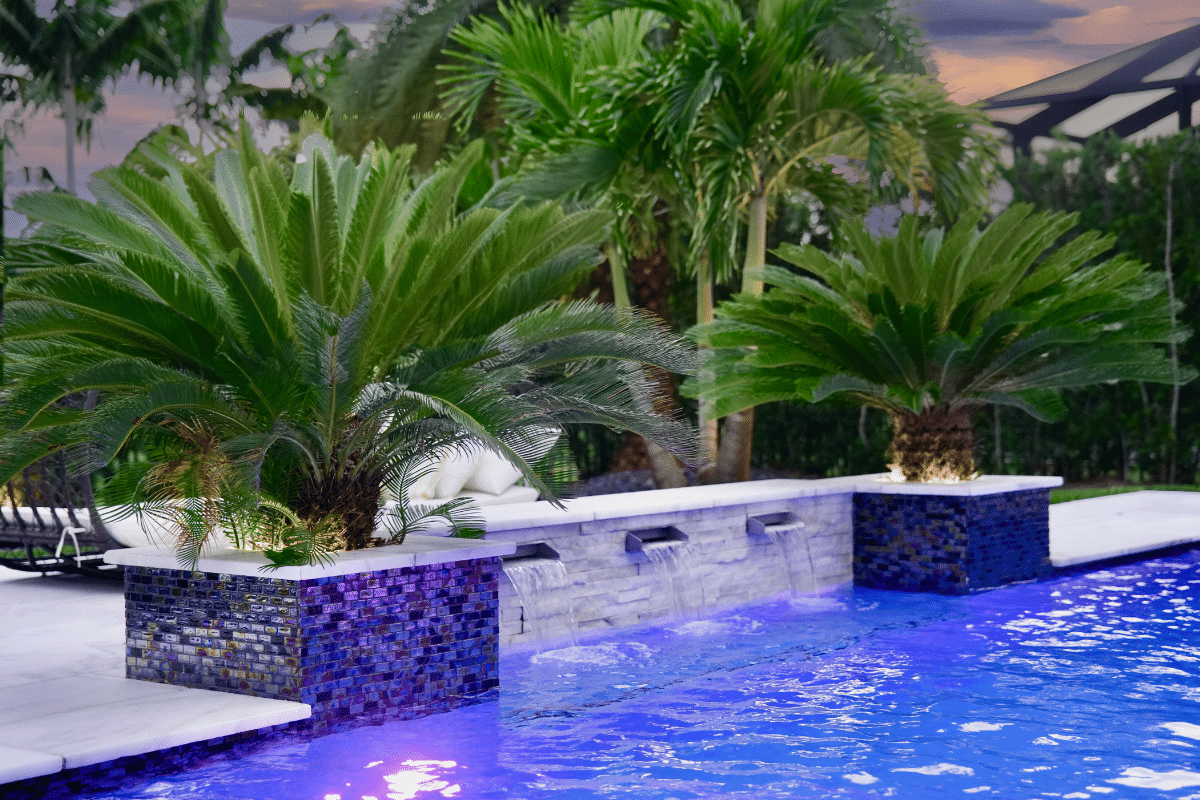
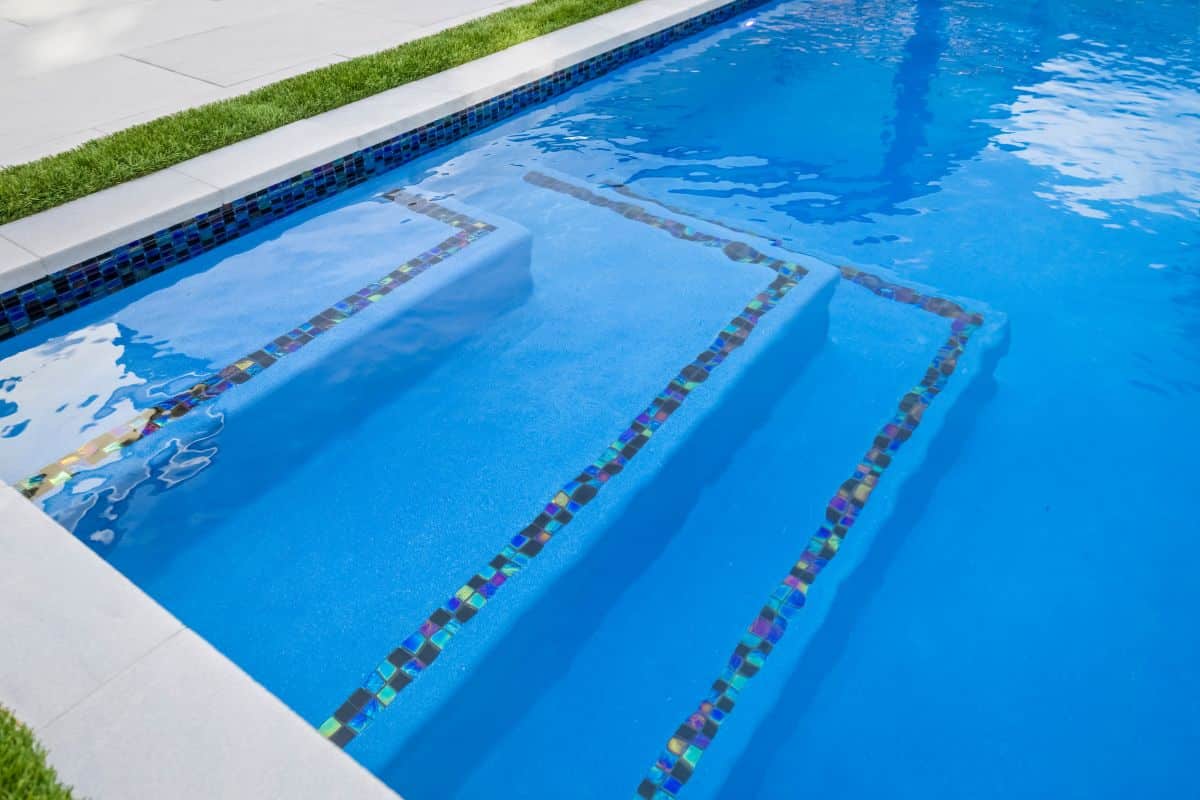
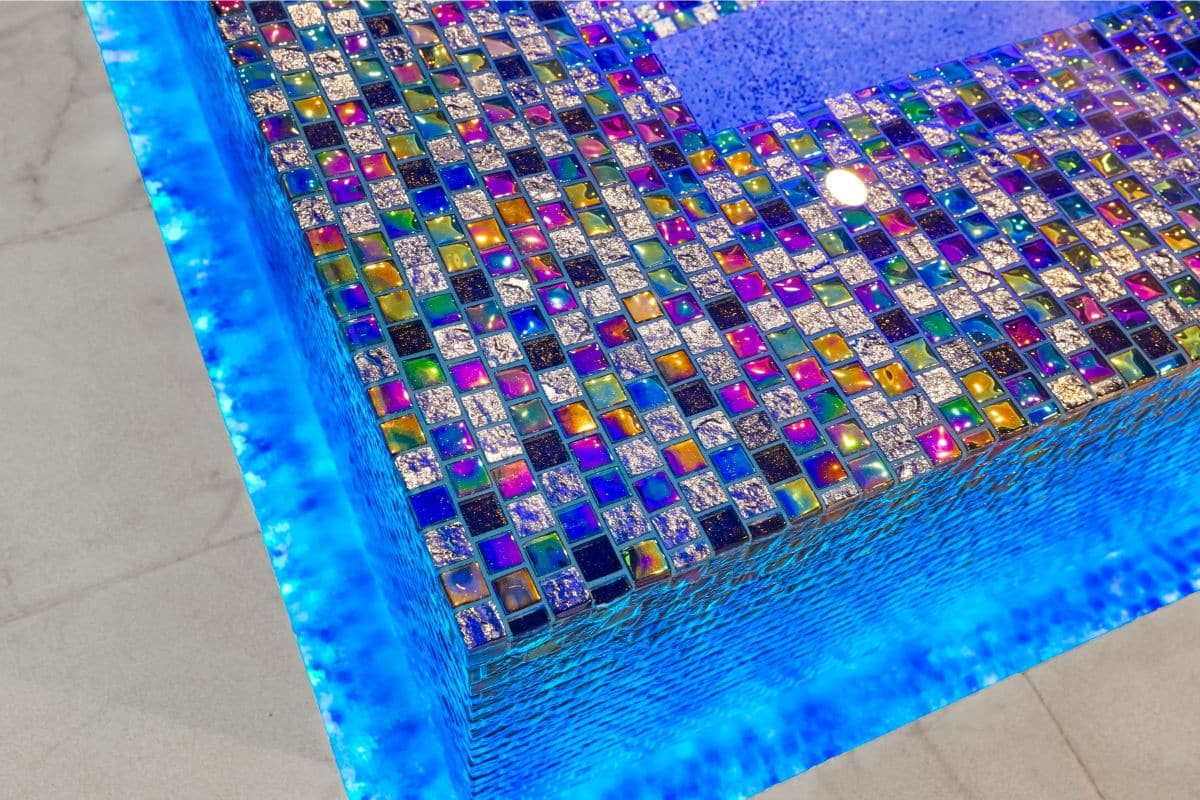
Design possibilities are vast. Concrete pools allow for tile mosaics, artistic finishes, and even beach-style entries. These custom touches can transform your pool into an aesthetic masterpiece.
Construction takes time, often several months. The curing process of the concrete cannot be rushed. This ensures the pool’s integrity and long-term strength.
Concrete pools need regular maintenance. Their porous surface requires periodic resurfacing. Algae resistance requires diligent upkeep too, and acid washing is recommended every 3-5 years to maintain the pool surface and prevent algae buildup. Frequent maintenance is necessary to keep the pool in optimal condition.
The investment in a concrete pool is significant. However, the longevity often justifies the price. When considering lifetime costs, it’s important to factor in resurfacing and frequent maintenance requirements over the years. Your pool will be a focal point for many years.
Families looking for a personalized touch will find concrete pools appealing. They offer endless opportunities to showcase creativity. Here’s a quick summary of what makes concrete pools stand out:
- Completely customizable in terms of shape and design
- Durable and long-lasting if well-maintained
- Allows unique features like waterfalls, spas, and specialty tile work
Pros and Cons of Concrete Pools
Concrete pools shine in customization. They offer endless design options. However, they require more maintenance.
Pros include:
- High durability and long lifespan
- Complete design freedom for custom shapes
- Ability to incorporate unique features
Cons include:
- Longer installation period
- Higher maintenance needs
- Greater initial cost compared to other types

Vinyl Liner Inground Pools: Affordability Meets Flexibility
Vinyl liner pools and vinyl pools are popular types of inground swimming pool options, known for their customizable features and appeal. They provide a cost-effective solution to inground pool desires. Their smooth surface ensures a comfortable swimming experience.
These pools comprise a flexible liner. The liner fits into a frame constructed from either steel, polymer, or aluminum. Steel wall systems are commonly used in vinyl pool construction, offering strength and customizability. This construction offers relatively quick installation.
Vinyl liners come in various patterns and colors. This makes them versatile to suit different tastes and backyard styles. Vinyl liners can also mimic the look of natural stone and mosaic tiles, providing a luxurious appearance at a lower cost. Homeowners appreciate these aesthetic choices.
The main advantage of vinyl liners is affordability. Vinyl pools have a low initial cost compared to concrete or fiberglass pools, making them appealing for budget-conscious families. However, it is important to note that they may come with higher maintenance costs over time.
However, they do need care to prevent liner damage. Care involves avoiding sharp objects that could puncture the liner. Areas with low water circulation in vinyl pools can harbor algae growth, which leads to more frequent maintenance. Quick repairs are usually possible, though.
Vinyl liner pools typically don’t tolerate rough use well. But with proper care, they can last several years. Replacing the liner after a while is part of routine maintenance.
If a budget-friendly pool suits your needs, consider these points:
- Quicker and often easier to install
- Wide variety of liner designs and colors
- Requires liner replacement over time for optimal appearance
Pros and Cons of Vinyl Liner Pools
Vinyl liner pools are budget-friendly but require specific care. Understanding their pros and cons helps in decision-making.
Pros include:
- Lower initial cost
- Smooth, comfortable surface
- Flexible design options with various liners
Cons include:
- Potential for punctures and tears
- Limited lifespan before liner replacement
- Not as durable as concrete or fiberglass pools
Fiberglass Inground Pools: Fast, Durable, and Low-Maintenance
Fiberglass swimming pools are gaining popularity for their fast installation and minimal maintenance. As a popular choice for homeowners, a fiberglass pool arrives as a pre-molded unit, ready to be set into your backyard. This swift setup makes them a convenient choice for many homeowners.
These pools are crafted from a single piece called a fiberglass pool shell. Fiberglass pool shells are pre-fabricated off-site and delivered for quick installation. The non-porous surface of the pool shell resists algae growth, reducing cleaning needs and helping maintain pool water quality. This attribute makes them notably low-maintenance compared to other types, requiring minimal maintenance and fewer chemicals to keep pool water balanced.
Durability is another advantage of fiberglass pools. They withstand typical wear-and-tear, retaining their sleek appearance for years. Their strength is ideal in various soil conditions, offering peace of mind.
One point to consider is the range of shapes and sizes. They are somewhat limited due to the manufacturing and transportation constraints of fiberglass pool shells. However, they do offer aesthetically pleasing, contemporary designs.
The pre-fabricated nature means fewer customization options compared to concrete pools. Yet, many find the existing designs appealing. The blend of style and functionality suits their desires.
Pool builders appreciate the efficiency and ease of installing fiberglass pool shells, making the installation process faster than other in-ground pool types. Fiberglass pools may have higher upfront costs, but savings occur long-term. Fewer maintenance expenses and a durable structure contribute to this financial advantage. Quickly installed and easily maintained, these pools are an excellent option.
Key aspects of fiberglass pools include:
- Fast installation process
- Low ongoing maintenance
- Durability and resistance to the elements
Pros and Cons of Fiberglass Pools
Fiberglass pools offer unique benefits but also limitations. A balanced view helps in making an informed choice.
Pros include:
- Quick installation
- Low maintenance needs
- Durable and algae-resistant surface
Cons include:
- Limited shapes and sizes
- Higher initial purchase cost
- Less customization available
Specialty Inground Pool Types: Infinity, Lap, Plunge, and More
Beyond the traditional, specialty inground pools offer exciting options. Each type serves a unique purpose, enhancing your outdoor retreat. Choosing the right specialty pool can help you create the ideal inground pool tailored to your lifestyle and backyard. From luxurious to functional, they cater to diverse needs.
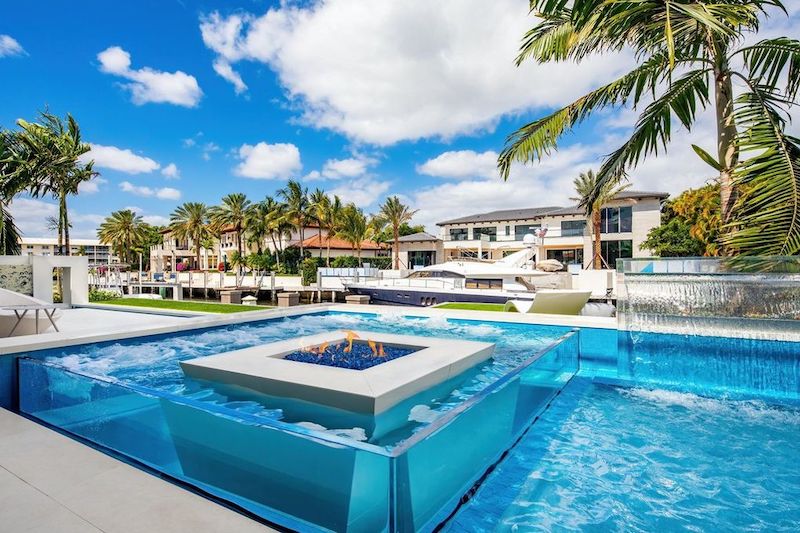
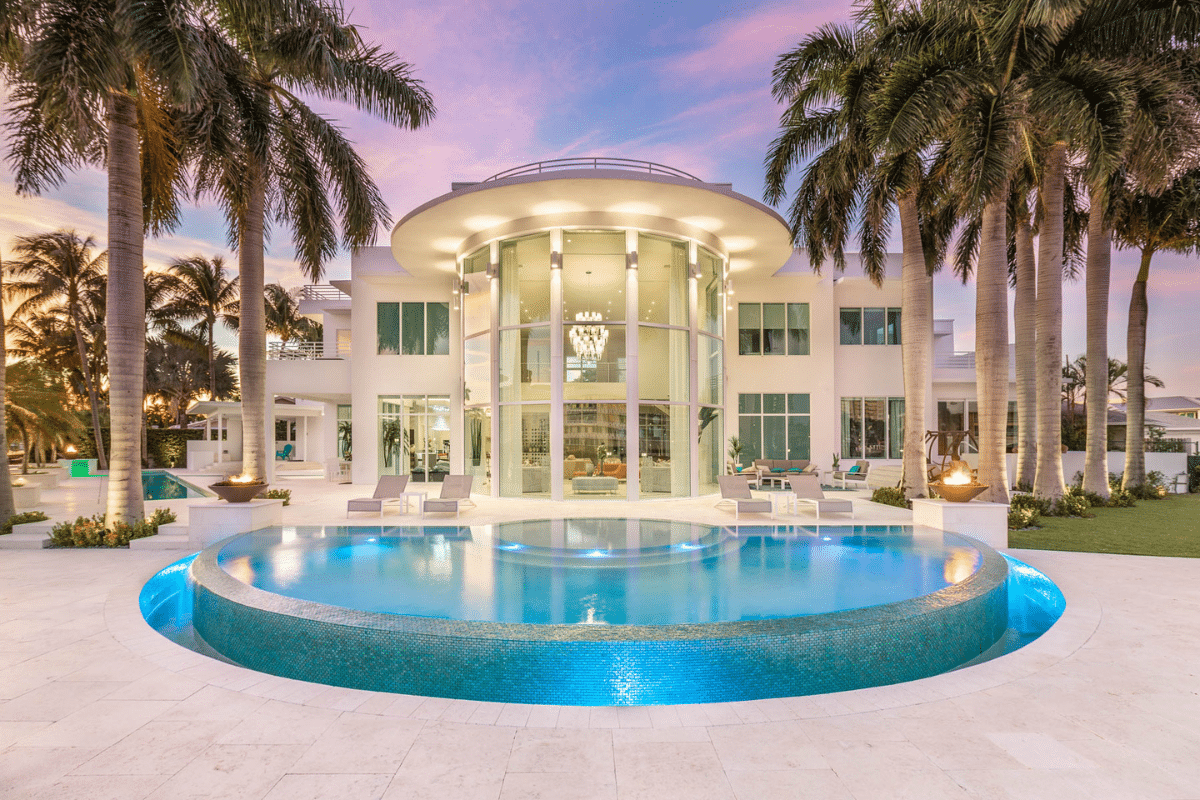
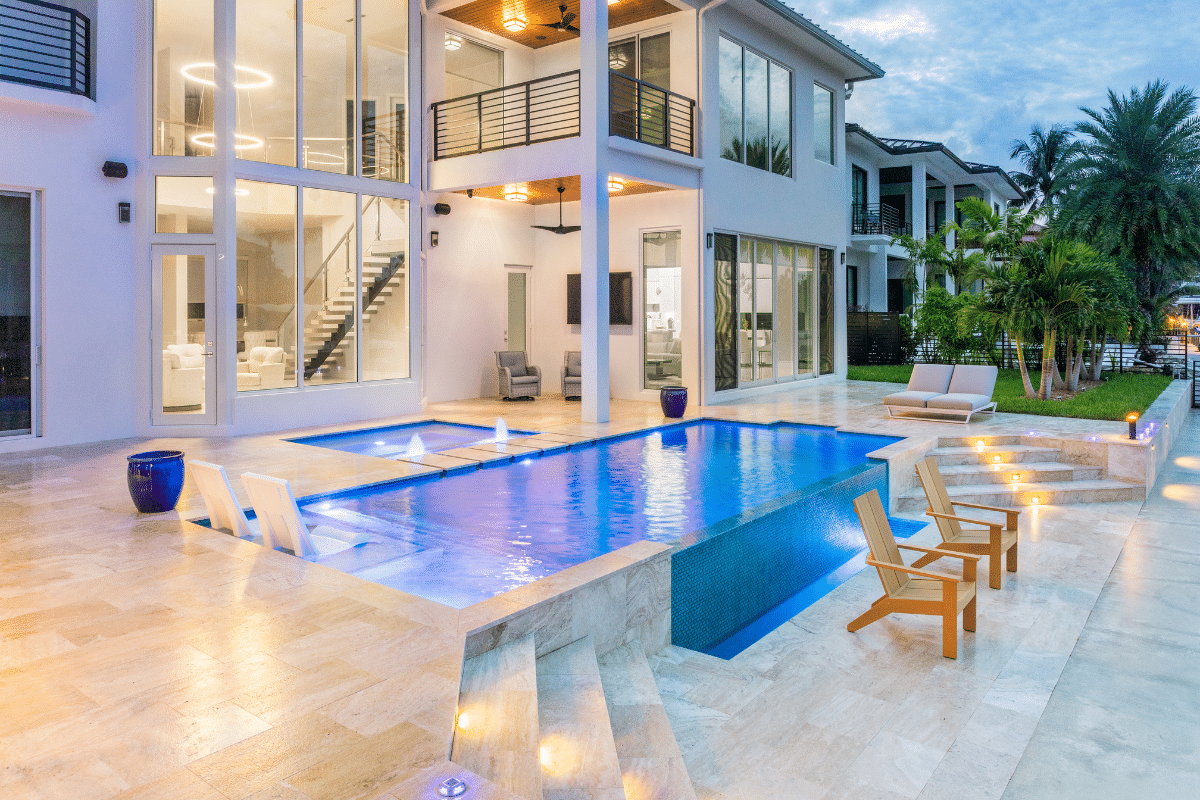
Infinity pools are known for their stunning visual effect. Water seems to vanish over the edge, merging with the horizon. This creates a dramatic and sophisticated ambiance.
Lagoon and freeform pools offer a natural, tropical aesthetic with curves that mimic the look of a hidden oasis. These pools are perfect for homeowners seeking a relaxed, resort-style environment that blends into lush landscaping.
Roman and geometric pools combine elegance with structure. Roman designs feature rounded edges and classical symmetry, while geometric pools offer sharp lines and angular layouts—ideal for modern or formal backyard themes.
Classic and straight-line pools are timeless in design. Their clean, linear shapes complement a wide range of architectural styles, making them a go-to for those who appreciate simplicity and functionality.
Lap pools focus on fitness, designed for swimming laps. Their elongated shape is perfect for exercise enthusiasts. They offer a sleek and straightforward design, fitting well into narrow spaces.
Plunge pools are compact and ideal for limited spaces. Their smaller size makes them easy to maintain. Despite their modest dimensions, they still provide a refreshing dip.
For those seeking variety, these specialty pools include:
- Infinity pools for visual impact
- Lap pools for fitness
- Plunge pools for limited areas
These unique pool types can transform any backyard into a personal haven. Each adds a distinct element to your outdoor living space. Whether for exercise or relaxation, there’s a specialty pool for everyone.

Comparing Inground Pool Types: Key Factors to Consider
When choosing an inground pool, several factors play a role. Each pool type offers distinct features impacting your decision. Evaluating these factors helps tailor the choice to your lifestyle.
Firstly, consider the cost involved with each option. Some types might fit your budget better than others. Each pool type incurs different initial and ongoing expenses.
Next, examine the durability of the pool materials. Some materials withstand weather and use better. The pool’s structure and the pool shell material—such as fiberglass, concrete, or vinyl—directly impact the pool’s longevity and maintenance needs. Lifespan influences both value and maintenance needs.
Another important aspect is maintenance requirements. Pools vary in terms of cleaning and repairs. The pool surface material, like plaster, tile, or vinyl, affects how easy the pool is to clean and the frequency of required upkeep. The maintenance frequency and ease can affect your enjoyment.
Additional considerations include:
- Custom features for personalization
- Climate and local conditions
- Installation timeframes
Deciding on the right pool involves:
- Balancing cost versus benefits
- Assessing long-term usability
- Prioritizing ease of maintenance
These factors ensure you make an informed choice aligned with your dream pool goals.
Cost Comparison
The cost of inground pools varies widely. It’s important to understand the price differences among pool types. Here’s a brief comparison.
Concrete pools are often the priciest option. Their customization abilities influence this cost. Long installation times can also contribute. When considering concrete pools, it’s essential to factor in the lifetime costs, as ongoing maintenance, repairs, and resurfacing can significantly impact the total expense over the pool’s lifespan.
Vinyl liner pools are generally more affordable. They offer a good balance of cost and features. Replacement liners can add to future expenses.
Fiberglass pools fall in the middle range. Quick installation reduces labor costs. Pre-molded designs may limit customization but suit budget-conscious buyers.
Durability and Longevity
Durability defines a pool’s lifespan. It’s crucial to weigh this factor carefully. Each type offers distinct longevity benefits.
Concrete pools boast exceptional durability. They can last for decades with proper care. However, they might require more maintenance over time.
Vinyl liner pools have a moderate lifespan. Liner replacement every 7-12 years is common. They’re less durable than concrete but still reliable.
Fiberglass pools offer impressive longevity. They’re resistant to algae growth. Their non-porous surface ensures a long-lasting, low-maintenance option.
Maintenance and Upkeep
Maintenance impacts both enjoyment and long-term costs. Understanding each pool type’s needs is vital.
Concrete pools demand regular maintenance. Algae control and surface refinishing are essential. They require more care compared to other types.
Vinyl liner pools need periodic liner checks. They are less demanding but prone to punctures. This necessitates occasional replacements.
Fiberglass pools shine with low upkeep needs. Their smooth surface resists algae. They’re the easiest to maintain, reducing time and effort.
Custom Features and Design Options for Inground Pools
Inground pools aren’t just about basic swimming spaces. They offer endless customization opportunities. Personalizing your pool creates a truly unique backyard oasis.
Custom features can enhance both aesthetics and functionality. These additions cater to your specific preferences. Adding personal touches enhances your overall enjoyment.
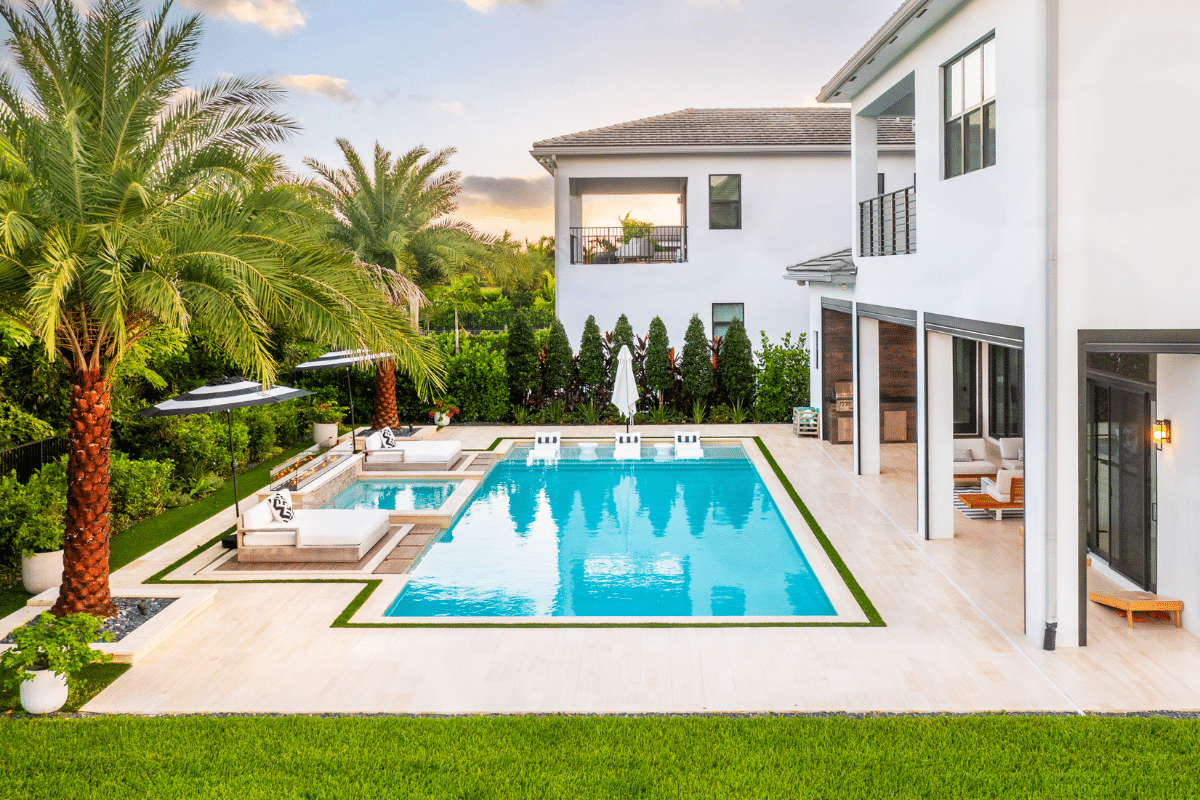
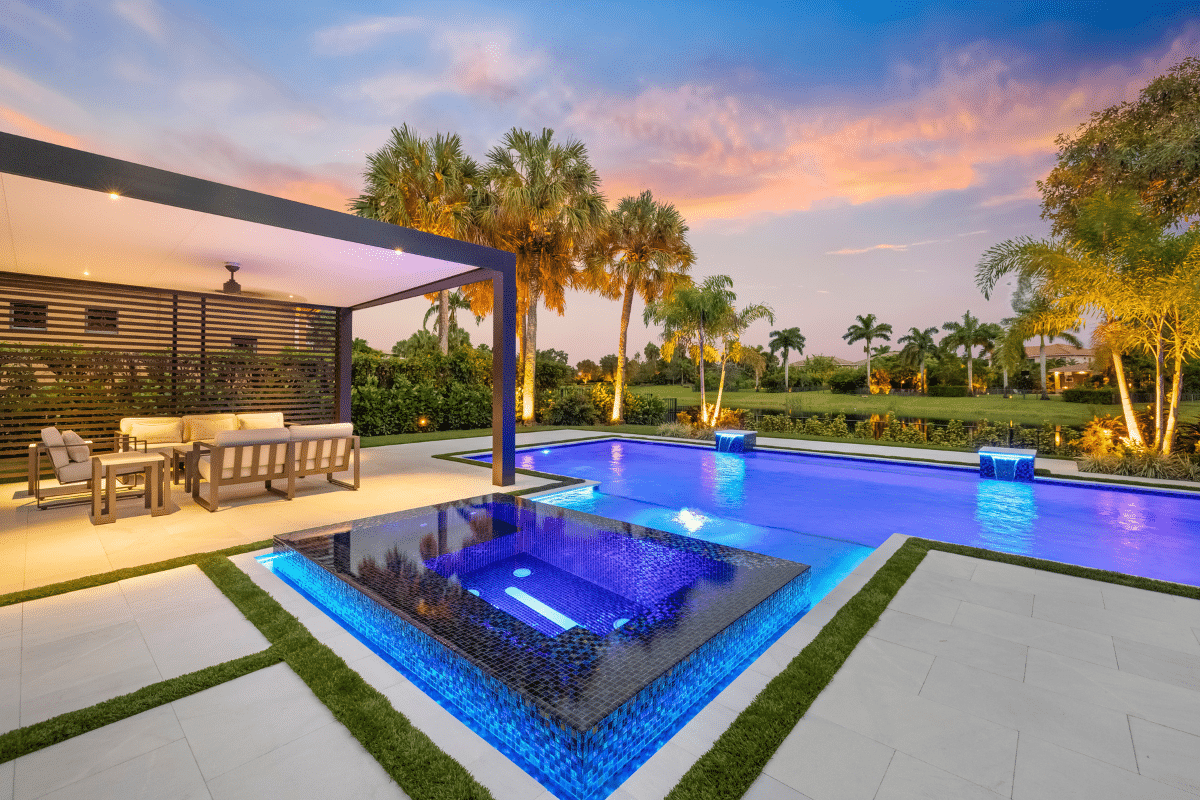
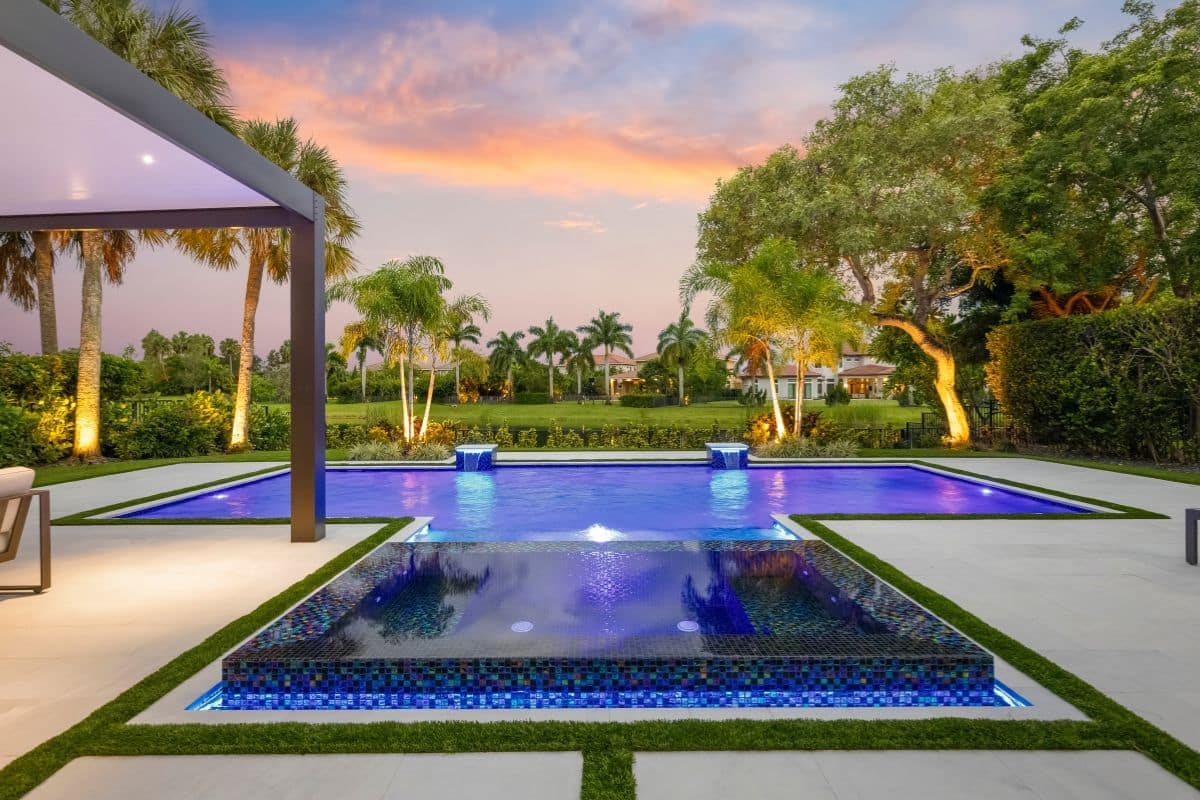
Design options are vast. You can incorporate features that reflect your lifestyle. Whether you enjoy relaxation or entertainment, there’s something for everyone. For a visually striking pool surface, consider using glass tiles or mosaic tiles, which can create eye-catching effects and elevate the pool’s appearance.
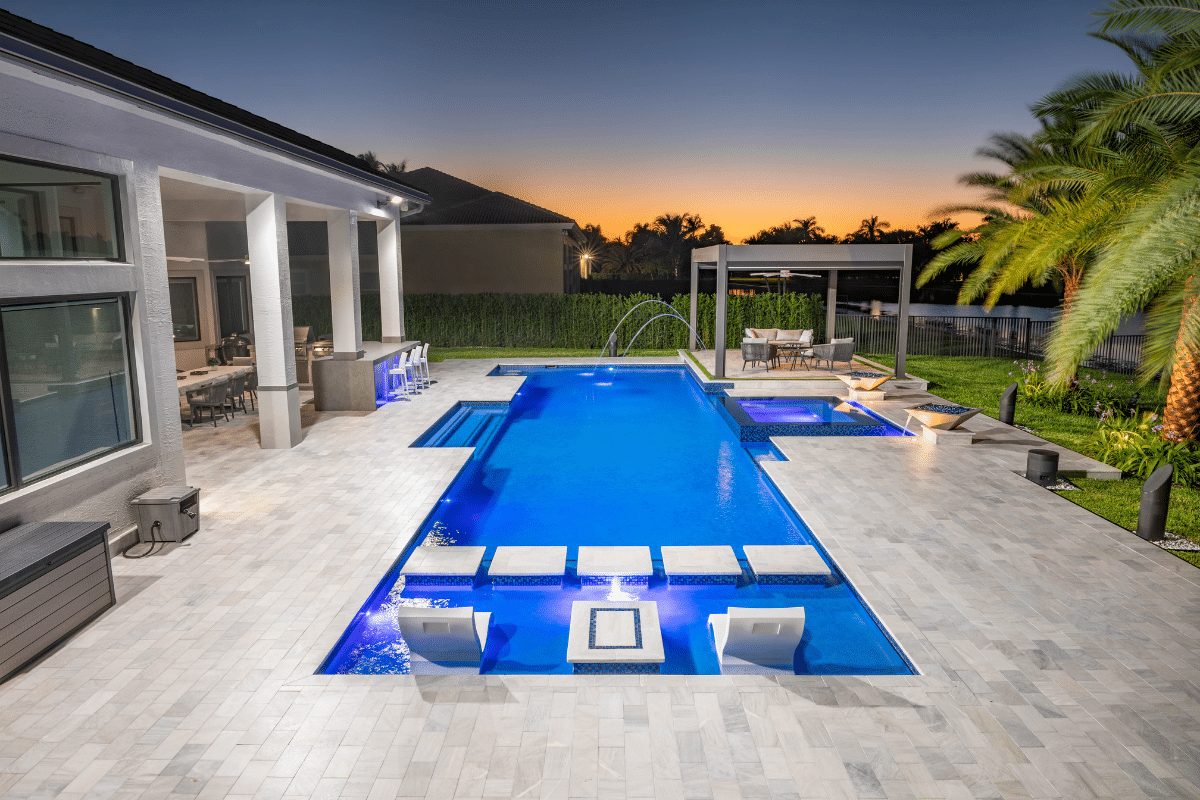
Consider options such as:
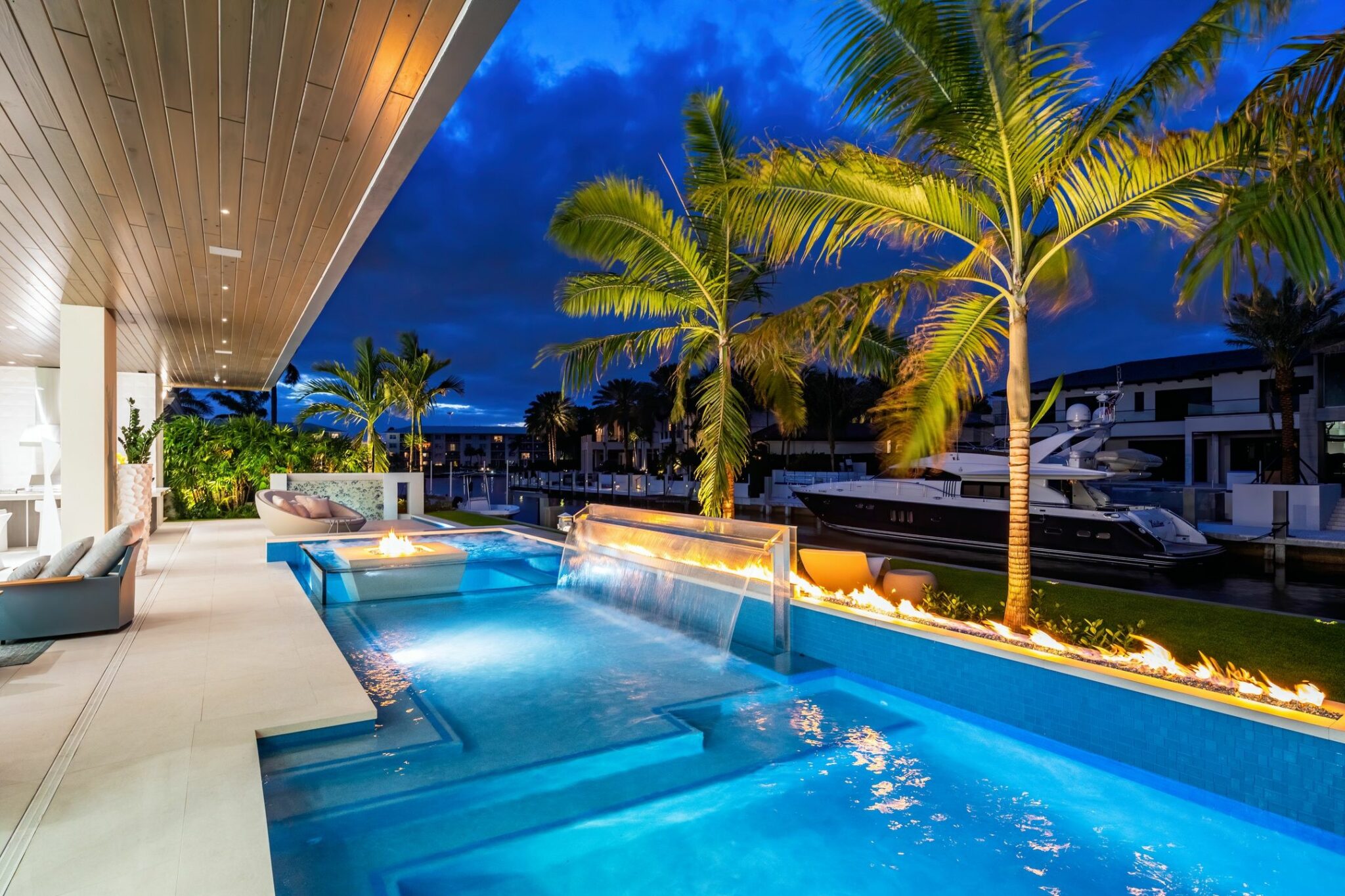
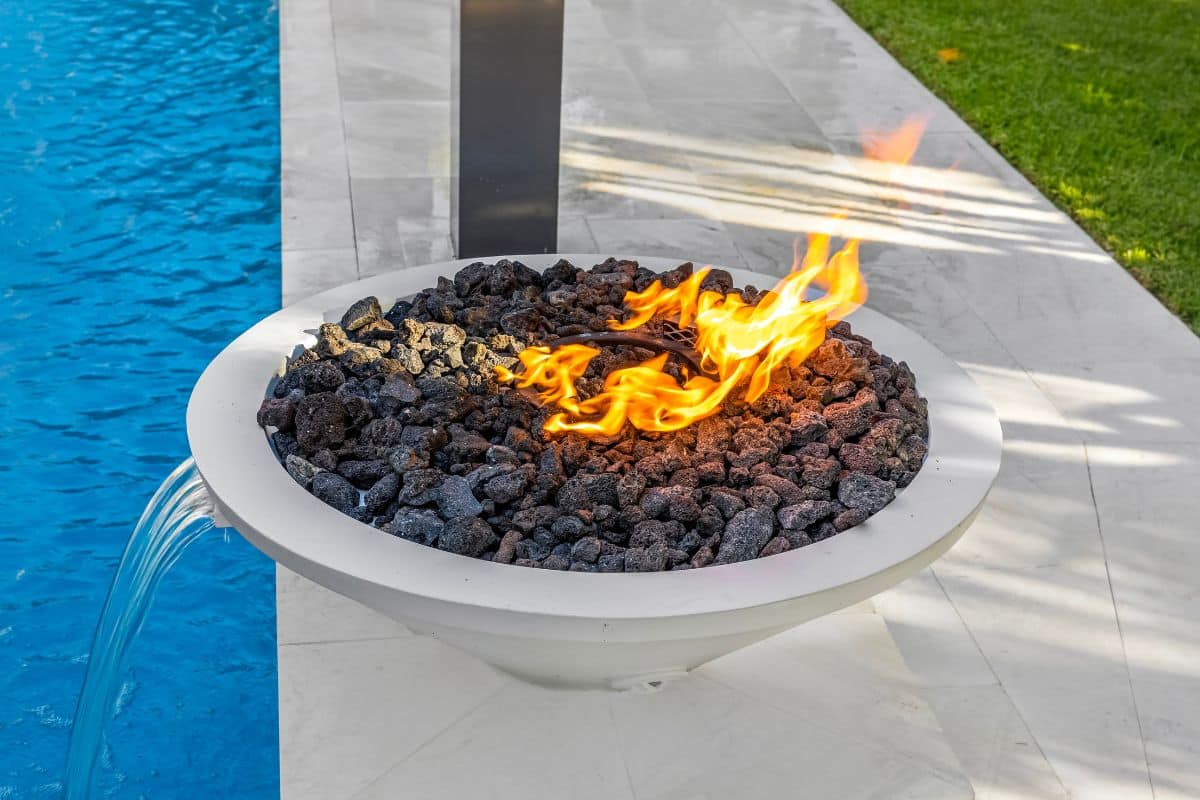
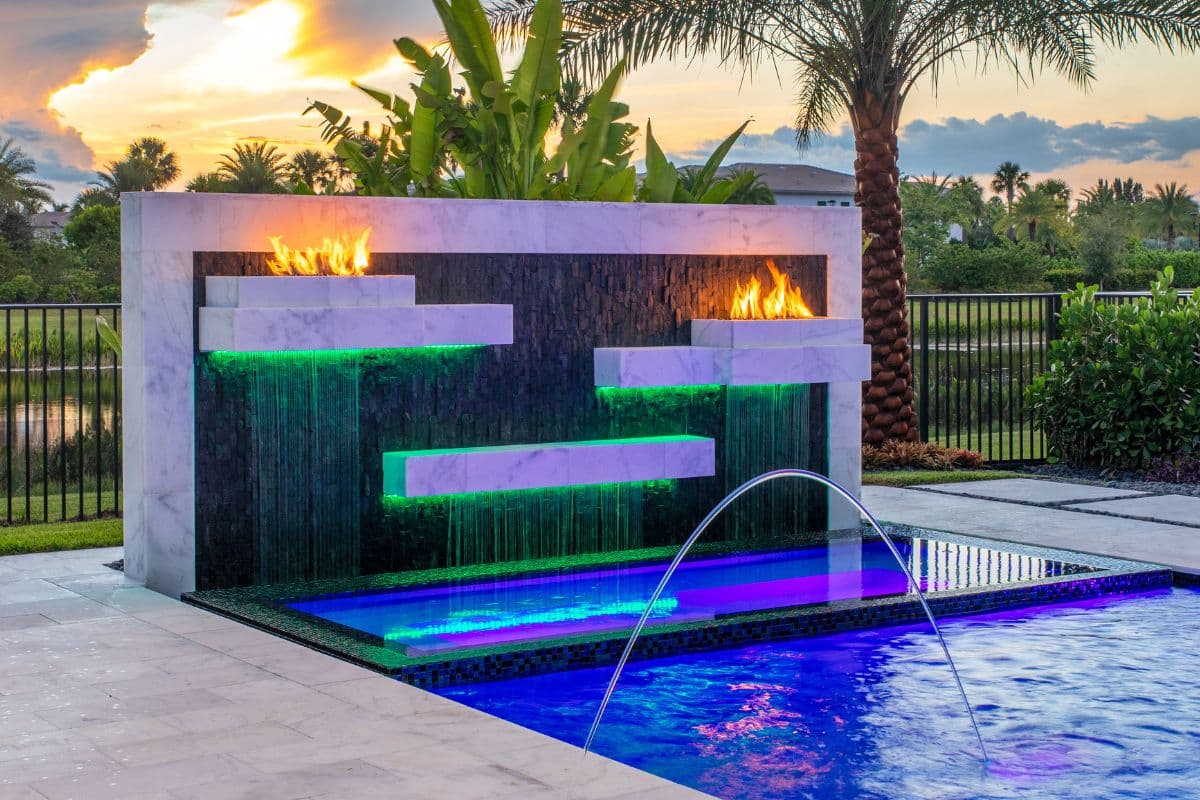
- Cascading waterfalls for a tranquil feel
- Integrated spas for soothing warmth
- Swim-up bars to host lively gatherings
- Tanning ledges for sunbathing bliss
- LED lighting to extend pool use into the night
- Custom pool tiles to personalize the look and feel of your pool interior
- Deck jets & bubblers for playful, dynamic water effects
- Lazy rivers to add a resort-style, floating experience to your backyard
- Pergolas for shaded lounging areas that complement your pool environment
Incorporating these elements transforms the pool into a stunning focal point. They add value to your property and elevate outdoor living. With careful planning, your dream pool becomes a memorable reality.

Choosing the Right Inground Pool Type for Your Home
Choosing the perfect pool is a big decision. Each type has unique benefits and fits different needs. Consider both immediate and long-term goals.
Reflect on your lifestyle when selecting a pool. Are you seeking a relaxing escape, or a family fun zone? Your preferences guide the choice.
Thinking about the climate and soil is crucial. These factors influence the pool’s durability and maintenance needs. Consult with a local expert for valuable insights. It’s also essential to choose an experienced pool builder to ensure quality construction and long-term satisfaction.
Budget plays a significant role in decision-making. Weigh the initial cost against ongoing maintenance expenses. Balancing these can help ensure financial ease.
Remember to evaluate:
- Lifestyle and intended use
- Climate and soil conditions
- Initial and maintenance costs
- Long-term goals and preferences
Informed choices align with your vision and enhance home life. With careful thought, your new pool will offer years of enjoyment.
Frequently Asked Questions About Inground Pool Types
Choosing an inground pool can raise many questions. It’s a significant investment in your home and lifestyle. Here are some common queries to help guide you.
What are the main inground pool types?
There are three main types: concrete, vinyl liner, and fiberglass. Each offers unique features and benefits.
How long does each pool type last?
Concrete pools last for decades with proper care. Vinyl liner pools need liner replacements every 7-10 years. Fiberglass pools offer great longevity with minimal upkeep.
What should I consider before installation?
Key considerations include cost, intended use, climate, and maintenance. Pool owners should also weigh the maintenance requirements and durability differences between pool types, especially when comparing concrete pools to other options. Consulting with a professional helps in making an informed decision.
For more detailed guidance, consider these points:
- Installation time and process
- Long-term cost implications
- Compatibility with local regulations and climate conditions
Making Your Dream Pool a Reality
Choosing the right inground pool type is a journey of discovery. Each step brings you closer to creating a personal oasis. By understanding the different types and their unique benefits, you ensure a choice that reflects your lifestyle.
Remember, the perfect pool aligns with your budget, design preferences, and maintenance capabilities. Careful planning and professional guidance are key to a successful installation. With these elements in place, your dream pool can truly become a stunning reality, transforming your outdoor space into a retreat.








0 Comments