

Dreaming of a backyard oasis? An inground swimming pool might be a top choice for you.
But why are pools so pricey? Many homeowners wonder about this.
The cost of an inground pool can be surprising. It’s not just about digging a hole and filling it with water.
Various factors add to the price. From design to materials, each choice affects the final cost.
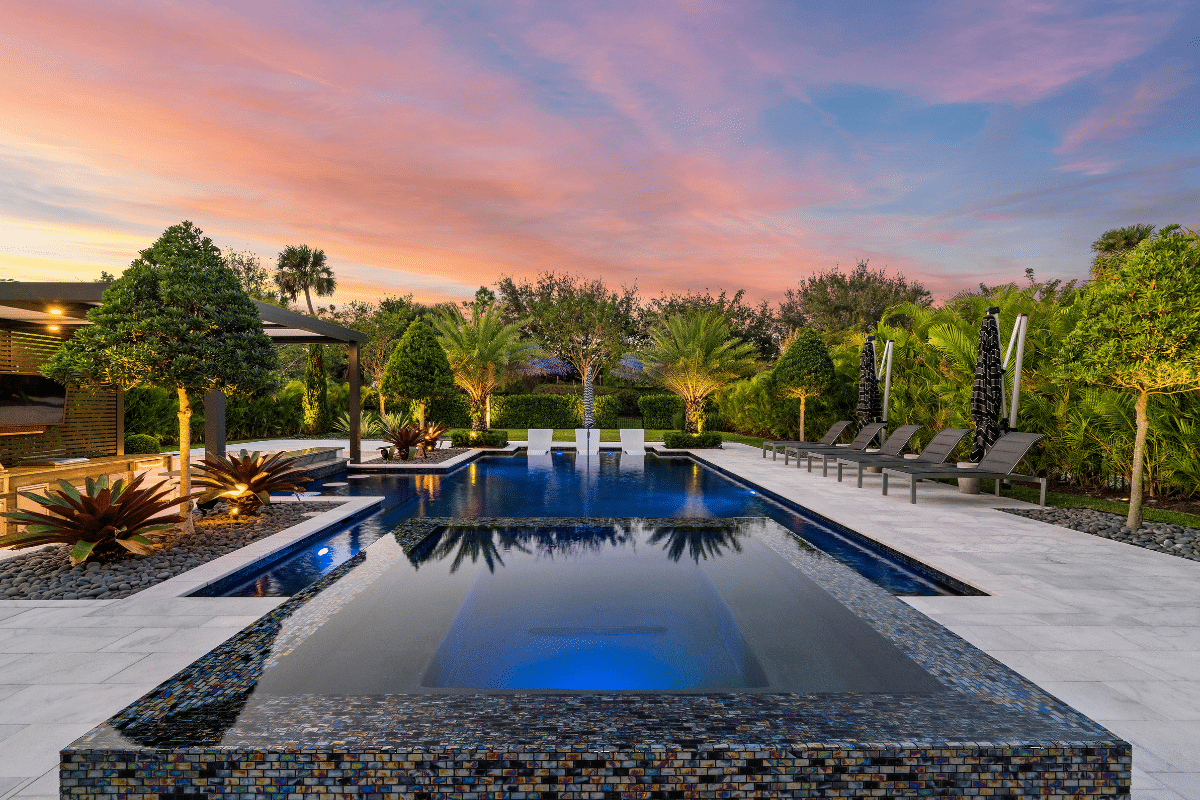
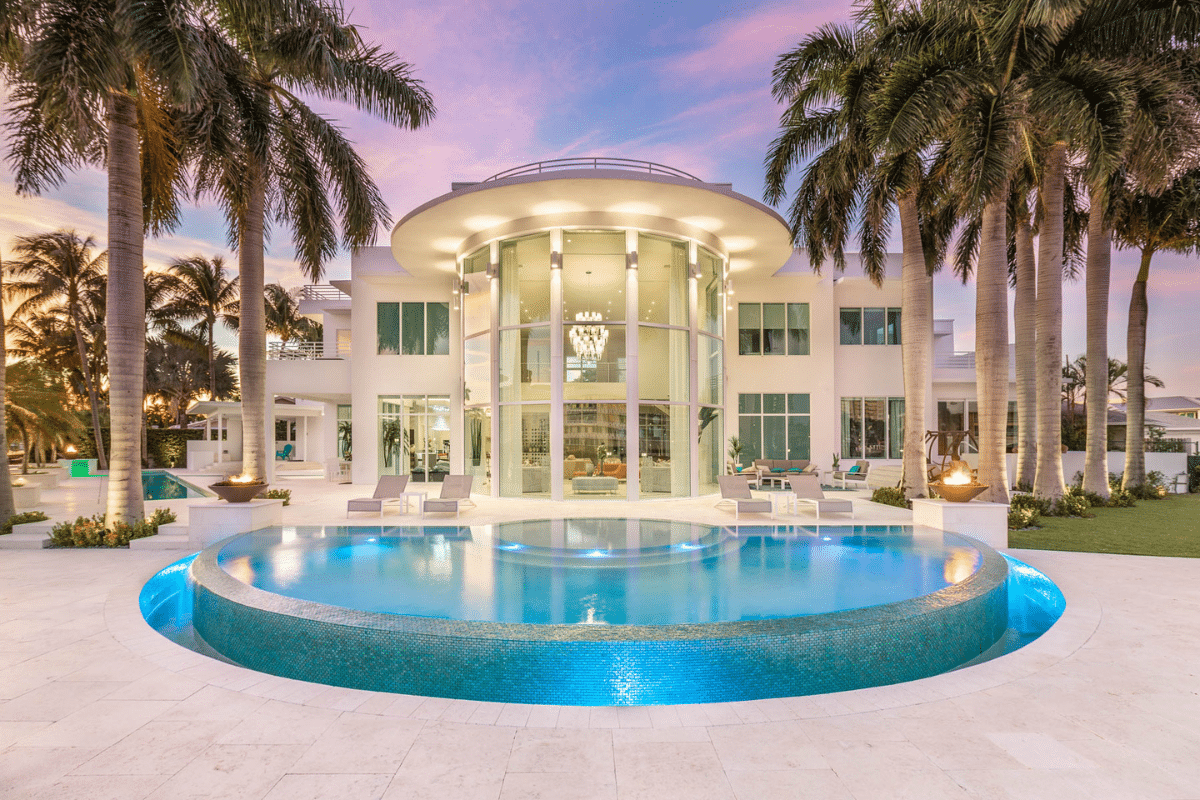
Customization options can raise the expense. Unique shapes and luxury finishes are appealing but come with higher costs.
Excavation and site preparation are also major cost factors. The type of soil and how accessible the site is can impact these costs.
Using high-quality materials and skilled workers helps ensure a pool lasts longer. They also increase the overall investment.
Understanding these costs is important for making smart choices. Let’s take a closer look at why inground pools are a big investment.
The True Cost of an Inground Swimming Pool: An Overview
The cost of an inground swimming pool can vary widely depending on factors such as size, design, materials, and additional features. Understanding these elements can help you make a knowledgeable decision.
Several aspects shape the total cost of a pool. It’s crucial to grasp each one. Here’s a quick overview of what influences the pricing:
- Design and Custom Features: Shape, size, and unique aesthetics.
- Site Preparation: Groundwork and permits.
- Materials and Technology: Quality of liners, filters, and equipment.
- Labor: Skilled craftsmanship and experience.
These are just some of the associated costs you should consider, as building and maintaining a pool involves various expenses beyond the initial installation.
These components not only ensure quality but also affect pricing. A pool is more than water and tiles. It’s a complex project needing careful planning and execution.
Investing in high-quality materials and skilled labor ensures your pool’s longevity. This all-round approach provides you with a lasting backyard paradise.

Breaking Down the Main Cost Factors
Understanding the cost of an inground pool starts by looking at each factor individually. Each element uniquely affects the total expense. Knowing these factors can help in planning the budget effectively.
The overall cost of building an inground pool includes the initial construction and all associated expenses, such as materials, labor, and additional features.
First, consider the design and materials. Customization increases costs but offers a unique style. The costs of materials such as concrete, tiles, liners, and shells are important factors that affect both the budget and the pool’s durability.
Next is the preparatory work. This includes excavation and site analysis, which can be complex. Soil type and site accessibility greatly influence these costs.
Labor costs are also significant. Skilled professionals ensure safety and quality, making the expense of hiring specialized tradespeople a major part of the total budget. Their expertise helps your pool last longer.
High-quality equipment and extra features improve the pool’s luxury. However, they require a larger upfront investment. Still, they add value and enhance your experience.
Lastly, consider ongoing maintenance and utilities. These recurring costs affect the long-term budget. Balancing them is essential for a stress-free ownership experience.
In summary, the main cost factors include:
- Design and materials
- Site preparation
- Skilled labor
- Quality equipment and features
- Maintenance and utilities
Installation costs, which encompass labor, site preparation, and materials, are a substantial part of the expenses involved in setting up a pool.
1. Design, Customization, and Materials
Design is a key part of pool construction. Custom designs need special materials and detailed craftsmanship, which drives up costs for unique features. A larger pool means higher material and labor costs. Smaller pools are usually less expensive and easier to customize for different backyard layouts.
Materials are also very important. You can choose from concrete pools, fiberglass pools, or vinyl pools, each affecting cost and customization differently. A concrete pool allows for endless design options and is durable, but it has a higher initial cost. Fiberglass pools are pre-made, so they install quickly and often require less labor. Vinyl pools, particularly vinyl liner pools, are budget-friendly. They offer flexibility and a variety of customization options.
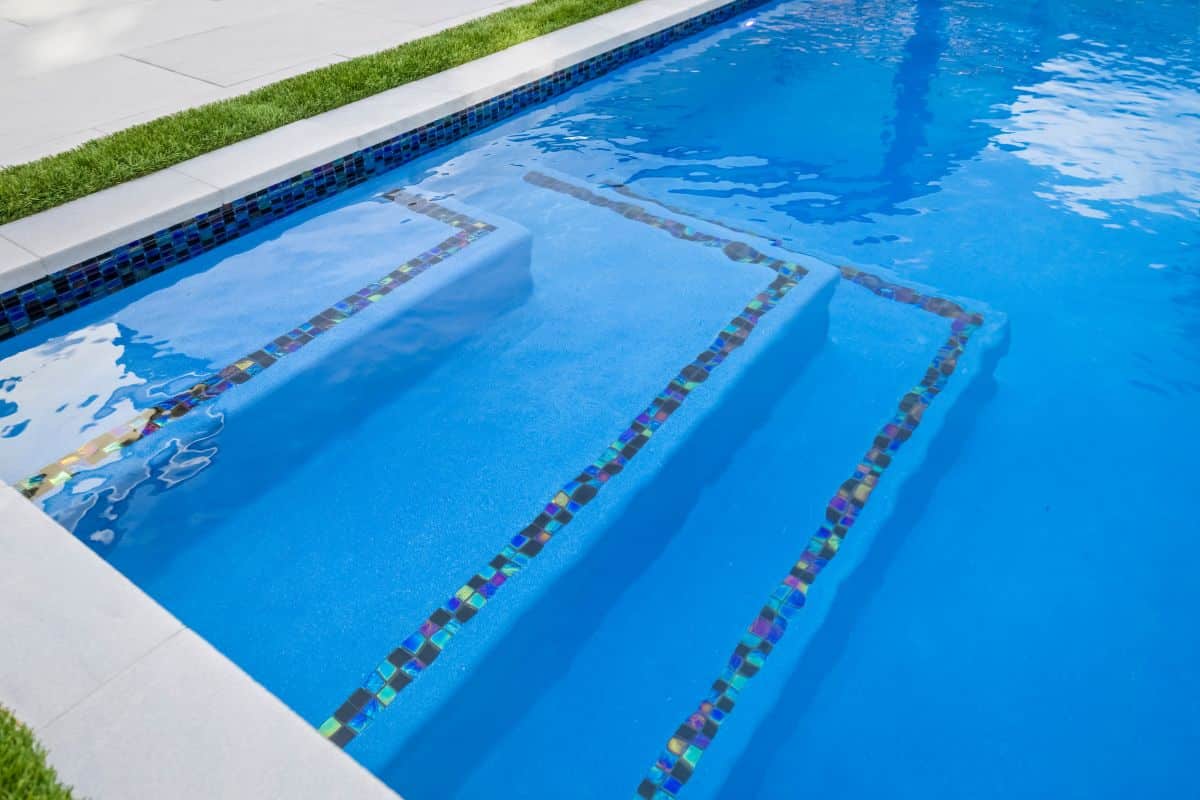
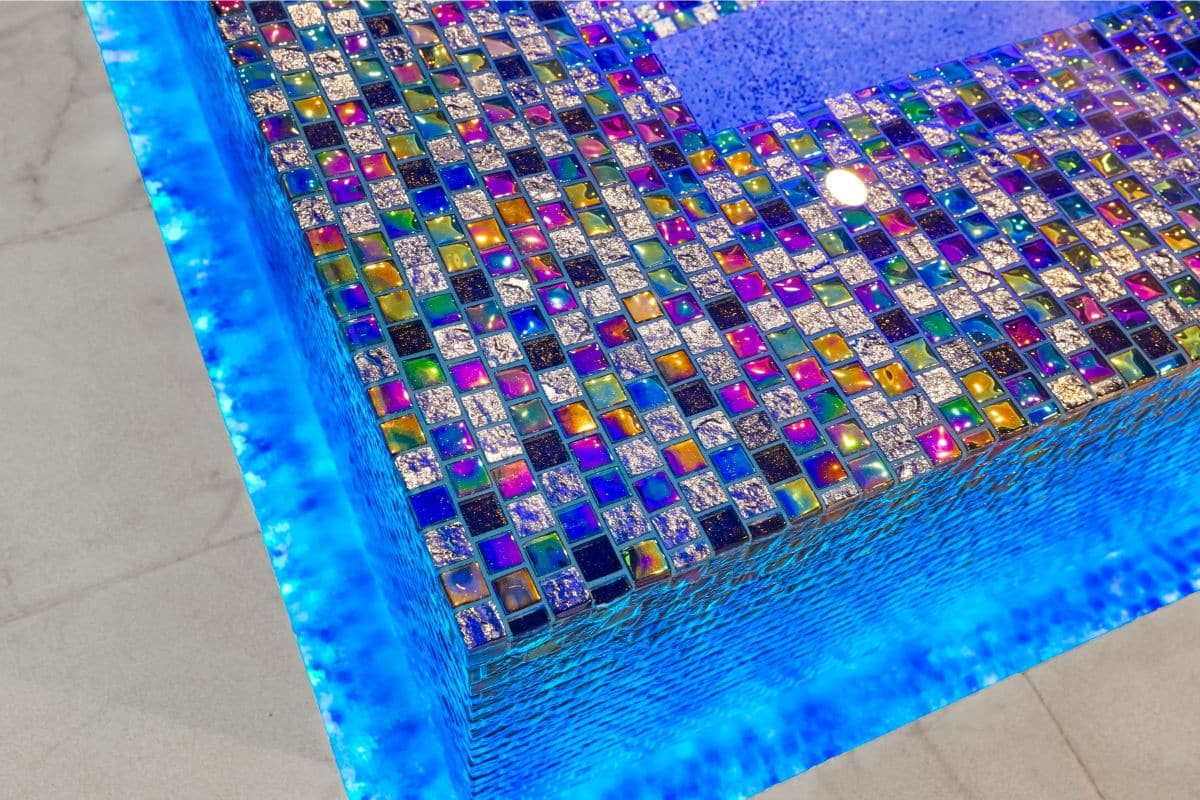
The pool shell is a basic element in the construction process, and its features differ by material. Concrete shells are poured on-site, fiberglass shells come pre-formed, and vinyl shells use a flexible liner. The cost of interior finishes, like tile, also goes up with the number of square feet to cover, making larger pools more costly to finish than smaller ones.
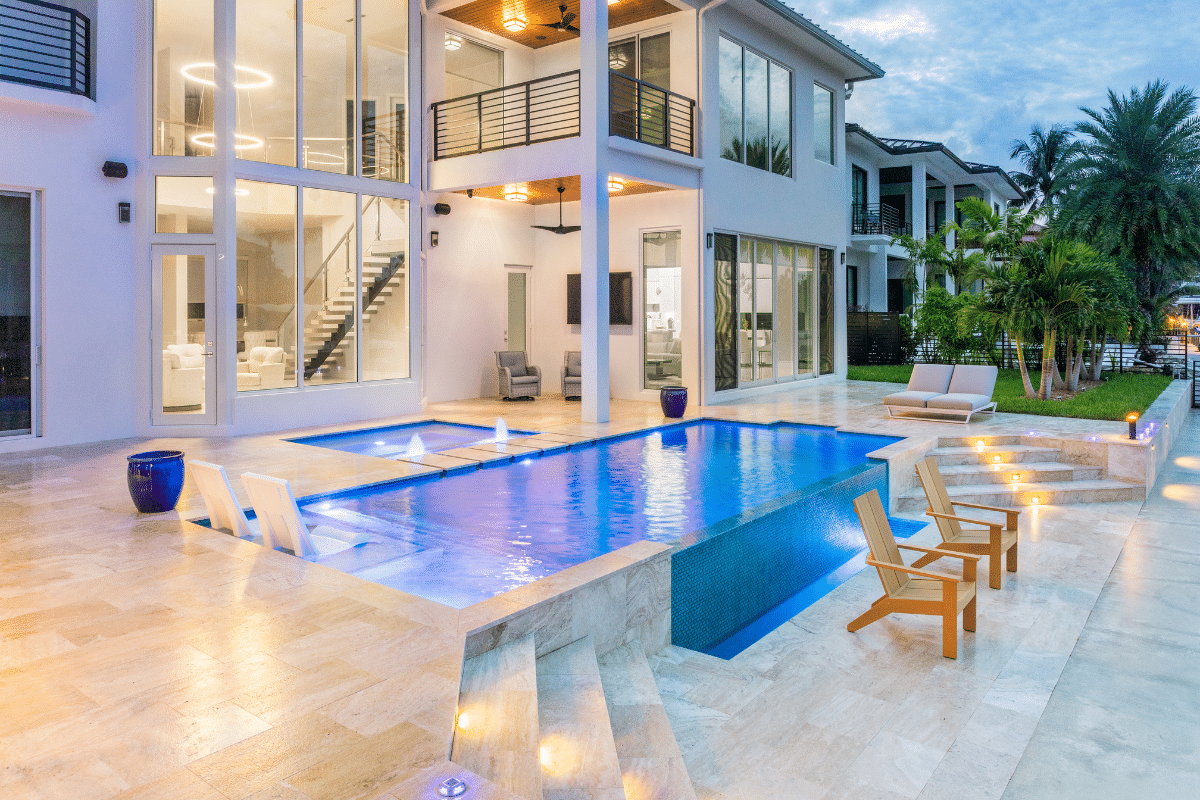
Customization allows you to design the pool to fit your preferences. Features like unique shapes and luxurious finishes enhance its look. These options add personalization, but they also raise overall costs.
When choosing materials and designs, think about both cost and longevity. Each option impacts the look and durability of your pool. Making smart choices ensures long-lasting enjoyment.
Here are some key factors influencing design costs:
- Pool shape and size
- Choice of materials: concrete pool, fiberglass pool, vinyl pools
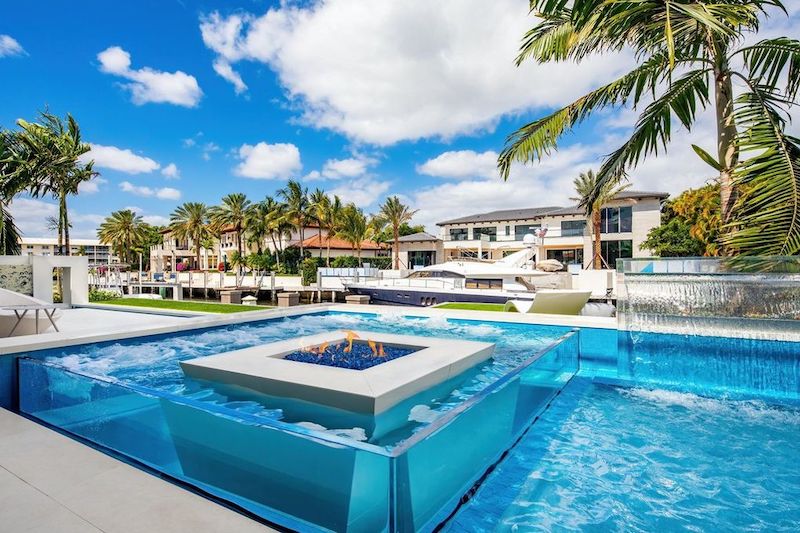
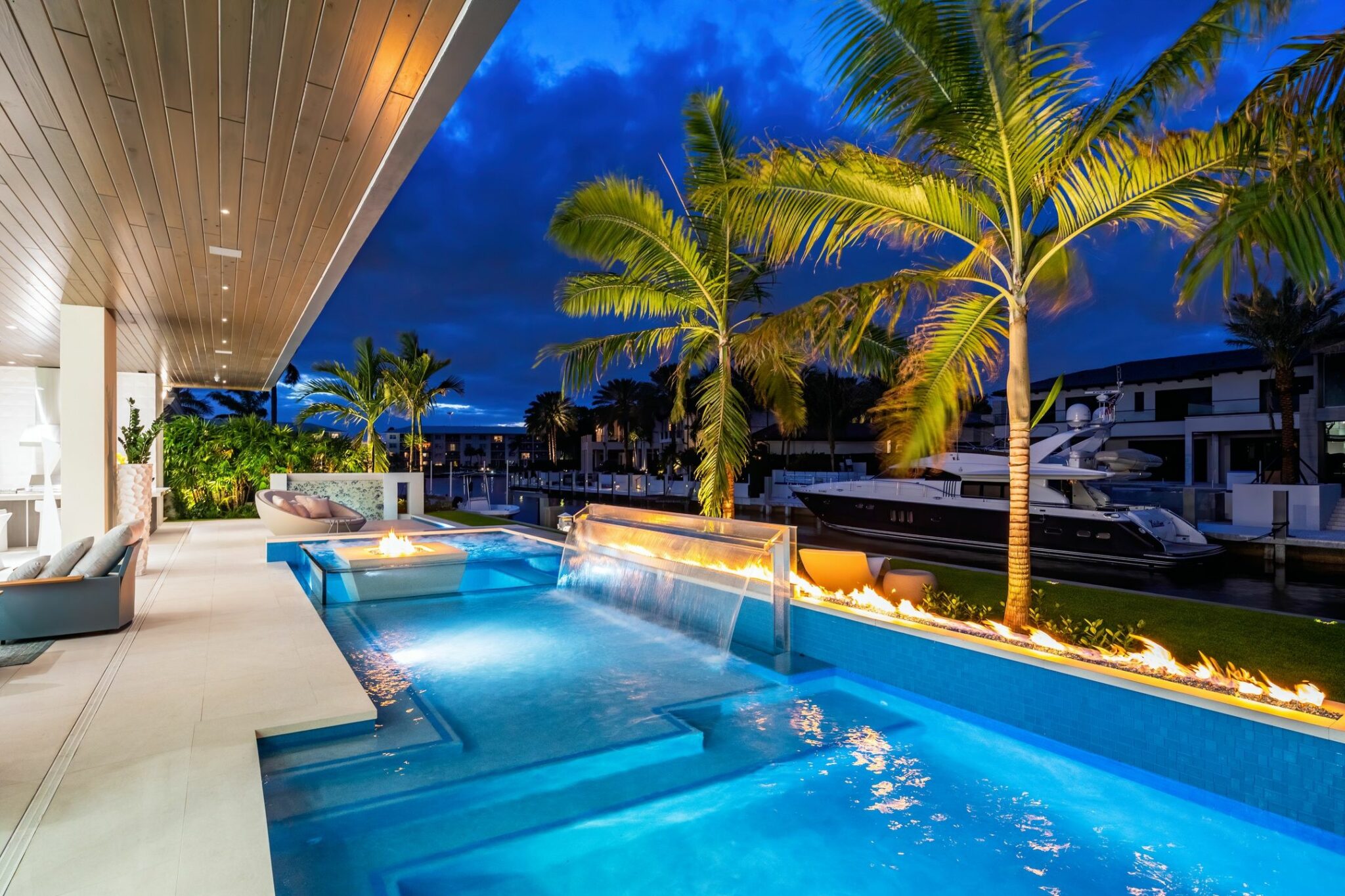
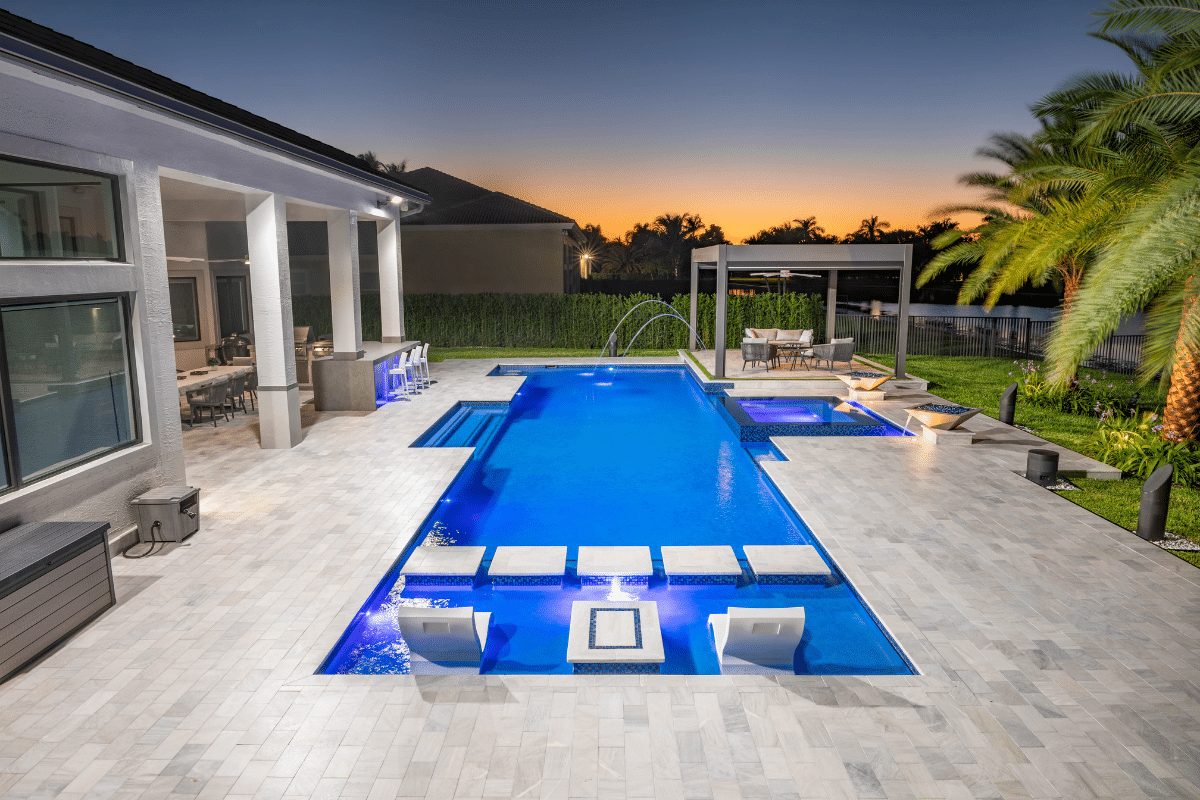
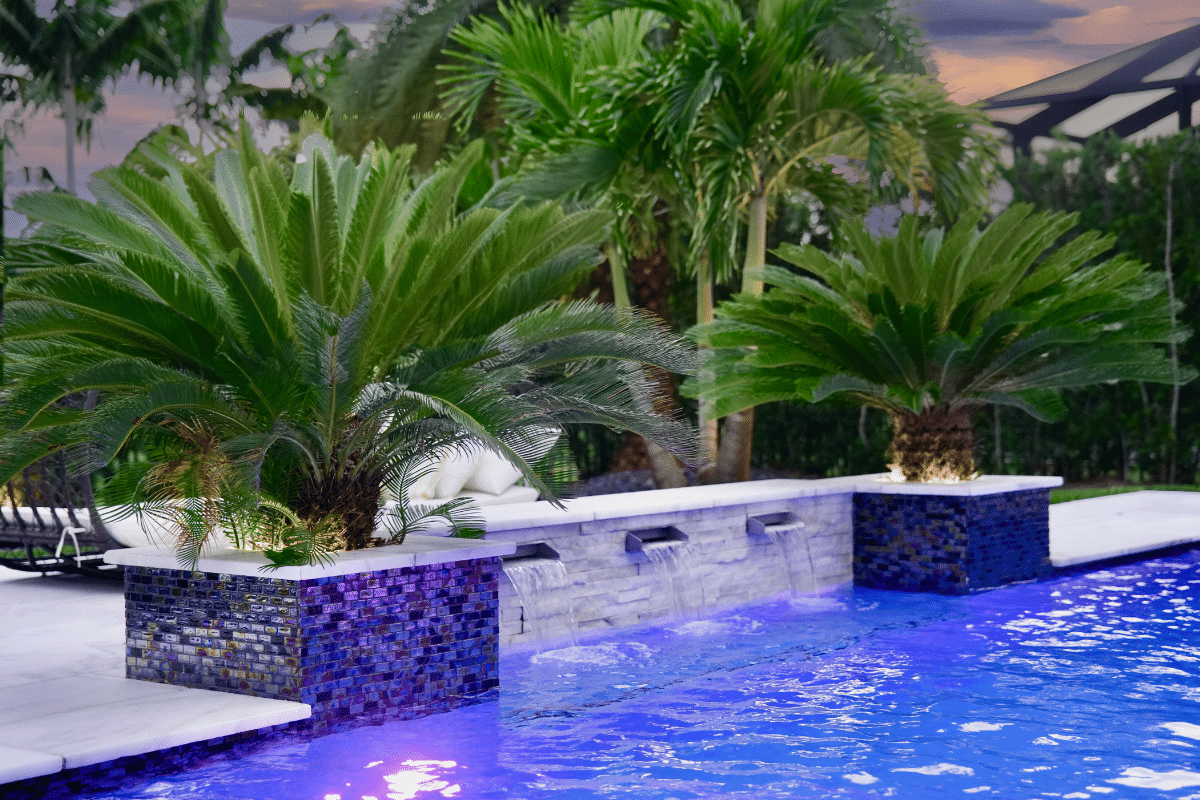
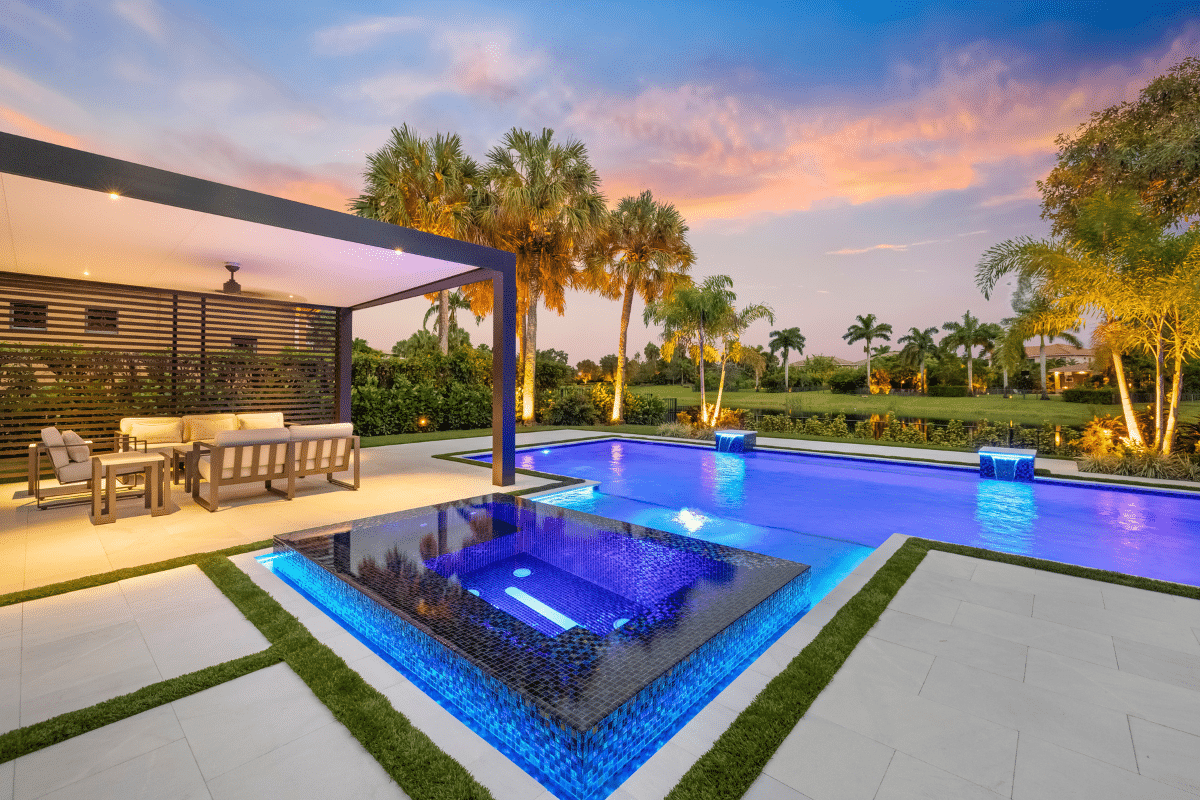
- Custom features: lighting, tile, waterfalls
Attention to these details ensures a pool that mirrors your vision. It guarantees satisfaction for years to come.
2. Excavation, Site Preparation, and Permits
Pool installation is an important part of the pool construction process. It needs specialized skills and equipment. Soil conditions can complicate things and increase costs.
Site preparation involves more than just digging. It includes dealing with any challenges the land presents. This stage requires careful planning to ensure it fits well into your yard. Pool installations are complex projects that need multiple skilled trades and careful coordination to manage costs and maintain quality.
Getting the necessary permits is another important step. Local regulations specify what approvals are needed. Navigating these legalities is critical for a smooth project.
Permits provide security by ensuring standards are met. They help avoid legal issues in the future. Following regulations keeps your pool safe and up to code.
In short, these steps lay the groundwork for your pool. Proper preparation ensures a stable and compliant installation. Paying attention to the installation process is vital for a successful and long-lasting pool. It creates the right conditions for quality and safety in the final product.
3. Labor and Professional Expertise
Labor is an investment in quality. Skilled craftsmanship plays a key role in creating a pool that lasts. Hiring experts ensures each stage meets high standards.
Professionals offer valuable experience. They handle challenges efficiently, which cuts down on delays. A pool builder usually manages the project, coordinating tasks and making sure everything goes smoothly. Their skills improve quality and safety.
High-quality labor shows in the pool’s finish. It guarantees durability and visual appeal. Pool construction companies offer expertise and industry knowledge, delivering quality results. Investing in expertise leads to peace of mind and long-term satisfaction.
4. Equipment, Technology, and Features
Equipment and features significantly enhance the pool experience. They contribute to comfort, efficiency, and fun. Yet, they come with additional costs.
Energy-efficient technology is a smart choice. It reduces operating costs over time. Today’s innovative solutions offer impressive long-term savings.
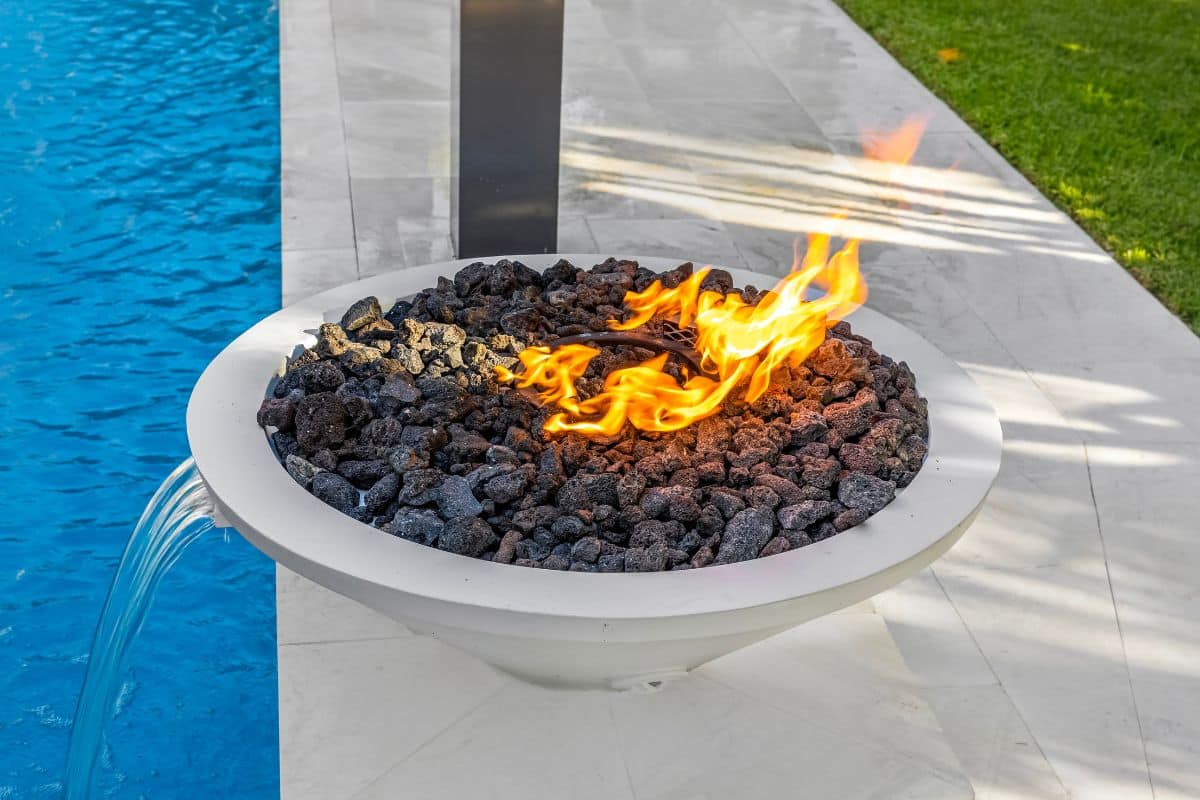
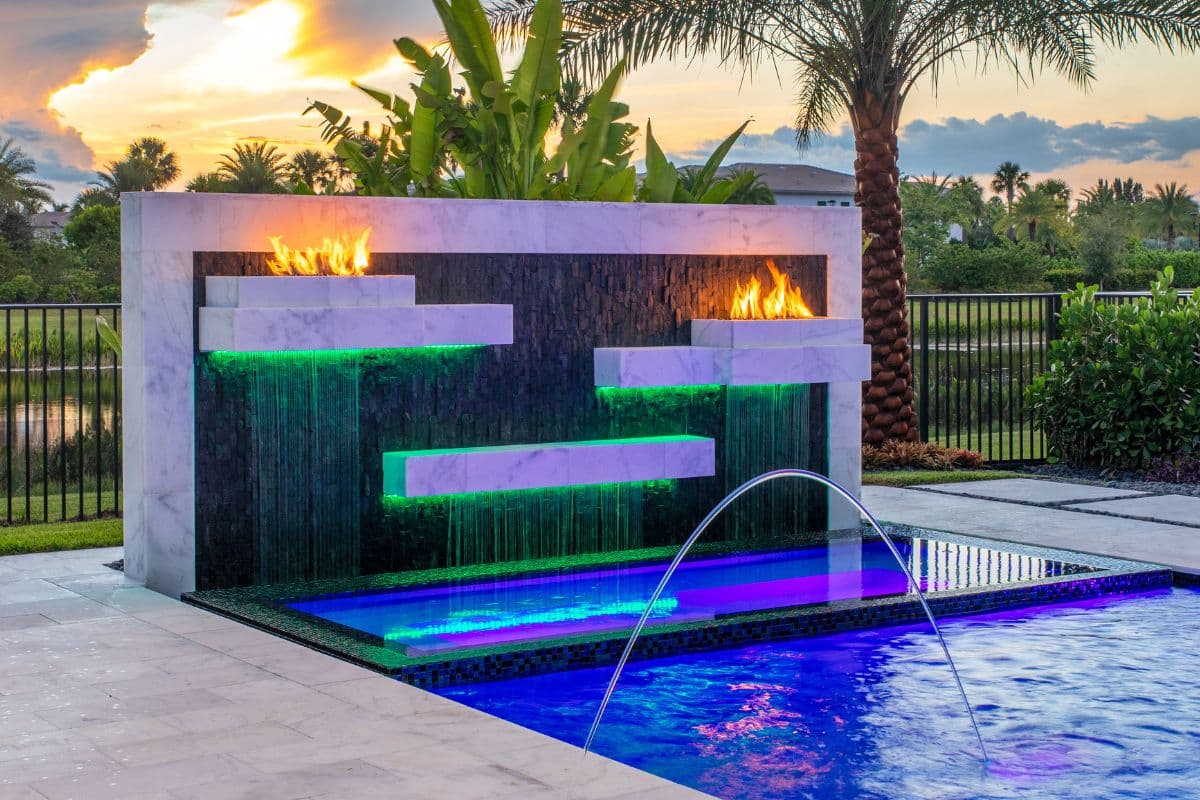
Features like lighting, spas, or waterfalls elevate luxury. They create a truly unique atmosphere. However, they require careful consideration of your budget.
Different pool equipment components include:
- Filtration system
- Pool heaters
- Heating systems (gas, electric, or solar)
- Smart pool controls
A reliable filtration system is crucial for keeping water clear and safe. Pool heaters and heating systems can help you enjoy swimming longer, but they increase both upfront and ongoing costs. A salt chlorine generator is a smart upgrade that can lower maintenance and chemical expenses compared to traditional chlorination. A pool cover is also important for safety, heat retention, and energy savings, making it a worthwhile investment. Optional features like diving boards can drive up costs and may pose safety risks, so think carefully about these based on your needs and budget.
These features improve water quality, comfort, and convenience. Choosing reliable, efficient equipment makes maintenance easier. It also offers a customized and enjoyable pool experience.
Incorporating technology and features requires a balance. While boosting value, stay mindful of costs. This approach helps create your ideal backyard retreat.
Ongoing Costs: Maintenance, Utilities, and Upkeep
Once your pool is installed, ongoing costs start to accumulate. These include regular maintenance and utility bills. They are essential for keeping your pool in good shape and usable. It’s important to think about the long-term costs since maintenance, repairs, and utility expenses will continue for as long as you have your pool.
Maintenance involves tasks like cleaning and balancing the chemicals in the pool water. Managing the pool water properly ensures safety and clarity. If you ignore these tasks, it can lead to expensive repairs or replacements.
Utilities are another key factor. Operating costs, such as electricity for pumps and heaters, add to your monthly bills. Choosing energy-efficient systems can help reduce these expenses.
Upkeep also involves preparing for seasonal changes. Winterizing your pool and reopening it in the spring requires attention. Each change in season might bring extra costs.
Consider the following ongoing expenses:
- Regular cleaning and chemical treatments
- Monthly utility bills
- Seasonal maintenance
- Routine equipment checks and repairs
These recurring costs are unavoidable but can be managed. Regular care ensures a sparkling pool, ready for enjoyment all year. By staying proactive, you protect your investment and maximize longevity. Pool ownership comes with ongoing responsibilities and costs, making it essential to plan for both maintenance and financial commitments.
The Value Behind the Investment
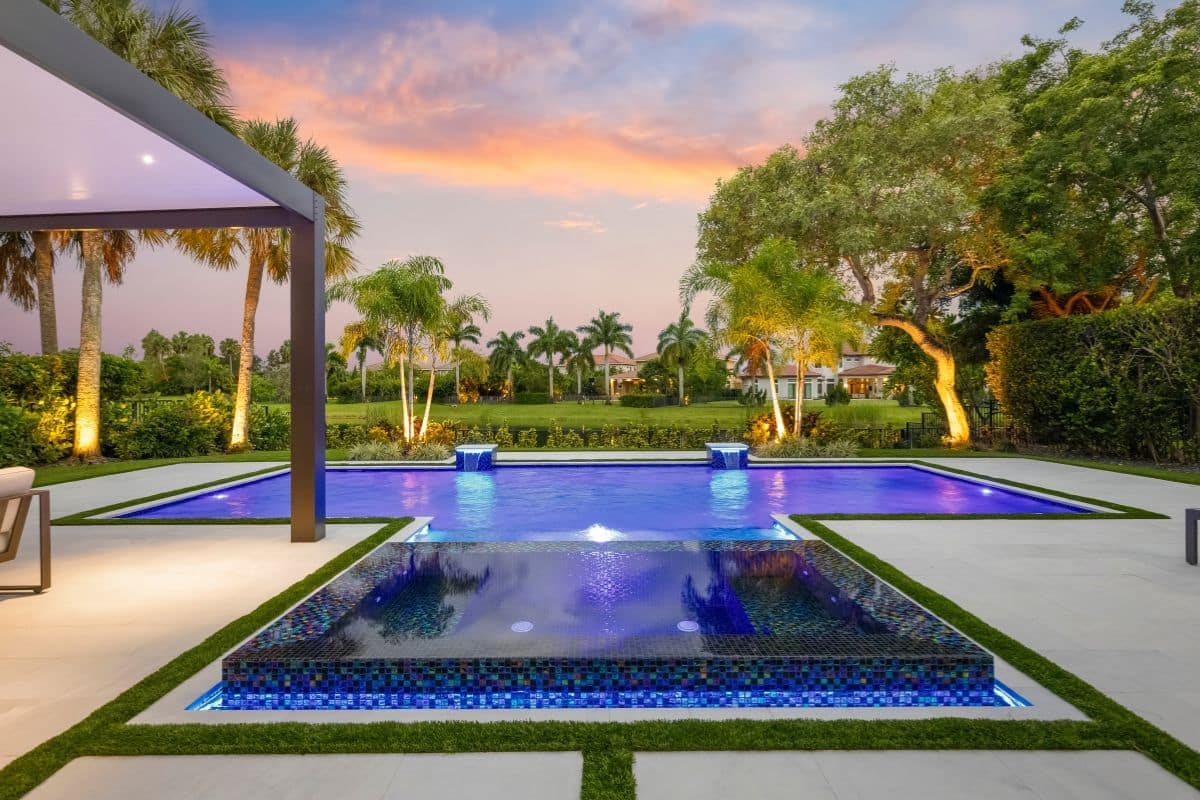
An inground swimming pool is more than just a hole filled with water. It reflects a lifestyle choice and offers a peaceful escape right outside your home. Pools change backyards into private paradises, creating a personal outdoor space for relaxation and enjoyment.
Beyond looks, pools provide real benefits. They increase property value and can make homes more appealing to buyers. For many, the dream of owning an inground pool symbolizes luxury and relaxation. A well-designed pool becomes a major selling point.
Don’t forget about the health and wellness benefits. Pools offer a place for low-impact exercise and stress relief. Swimming can improve heart health and lift your spirits.
Here’s what a pool adds to your life:
- Enhanced property value
- Aesthetic and recreational benefits
- Health and wellness opportunities
- A private escape for relaxation
Investing in a pool is about enhancing your quality of life. While a pool can come with a hefty price tag, the joys it brings extend beyond its initial cost, enriching everyday living.

How to Manage and Optimize Your Pool Budget
Managing your pool budget starts with clear priorities. Identify the essential features for your dream pool. When planning a pool project, think about the whole process from design to construction because each stage affects your total budget. Understanding this helps you make better financial choices.
Effective cost management involves strategic planning. Consider these tips:
- Prioritize essential features over luxury additions
- Compare multiple contractor quotes
- Explore financing options to spread costs
Be aware that higher costs can occur if your pool project is not managed carefully, especially with unexpected expenses or upgrades.
Remember, investing time in research pays off. It leads to making informed choices that align with your financial goals. Emphasizing quality and value ensures a pool that fits your budget and enhances enjoyment.
Frequently Asked Questions About Inground Pool Costs
Many prospective pool owners wonder about cost differences. Why are inground pools so expensive compared to other options? The answer often lies in the customization and quality involved.
Another common query is about long-term expenses. Potential owners want to know if maintenance costs are high. Routine upkeep, when managed well, is usually predictable and manageable.
People frequently ask if seasonal changes affect prices. Indeed, construction costs can vary with demand fluctuations throughout the year. It’s wise to plan around these to optimize savings.
Here are quick answers to common questions:
Why do inground pools cost more than above-ground pools?
Inground pools need a lot of digging, structural support, plumbing, electrical work, and high-quality materials such as concrete or gunite. They also require more work and can be designed in various ways. This makes them a more permanent and upscale investment compared to the easier and faster setup of above-ground pools. In 2025, the average cost of an inground pool can range from $35,000 to $65,000 or much more, depending on its size, materials, and features.
What factors influence ongoing maintenance costs?
Maintenance costs depend on pool size, material (vinyl, fiberglass, or concrete), type of filtration and sanitation systems, climate, how often you use it, and whether you hire a professional or take care of it yourself. Extra features like waterfalls, heaters, and automated systems can also raise maintenance costs. Certain pool parts, like custom pool kits or high-end interior surfaces, can cost tens of thousands of dollars. This significantly affects the total investment.
How does seasonal demand impact pricing?
Pool prices tend to rise during peak seasons—especially spring and early summer—due to higher demand for contractors, materials, and equipment. Scheduling your project during the off-season (fall or winter) may lead to cost savings and faster installation timelines.
Is financing available to help manage costs?
Yes, many pool companies partner with third-party lenders to offer financing plans. Home improvement loans, personal loans, and home equity lines of credit (HELOCs) are common options, allowing homeowners to break down the total cost into manageable monthly payments. Approval depends on creditworthiness and loan terms. When considering financing, it’s important to choose a reputable pool company with a proven track record to ensure quality installation and service.
Making an Informed Decision
Investing in an inground swimming pool needs careful consideration. Knowing the costs and benefits helps you make a good decision.
Think about your lifestyle and financial goals. A well-planned pool can bring long-term enjoyment and value. If you approach the project with knowledge, it can turn your backyard into a personal oasis.







0 Comments