
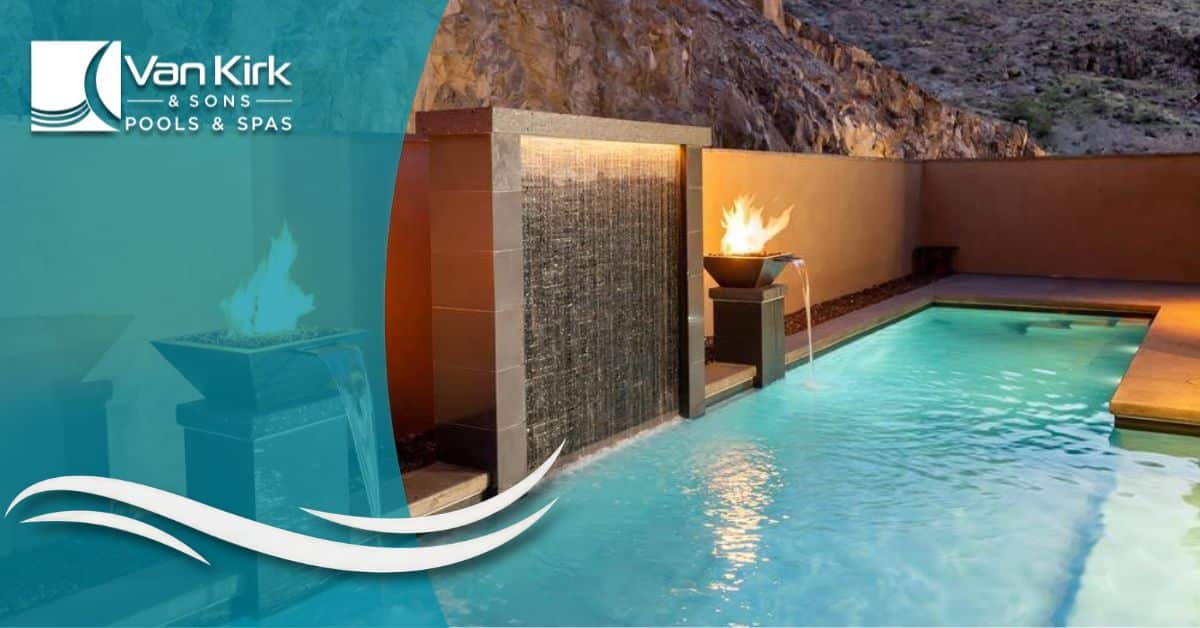
Building a swimming pool is an exciting venture, a journey towards creating your very own backyard oasis. However, when your landscape has a slope, you might need a retaining wall to keep everything in place.
A swimming pool with a retaining wall not only secures your space but also adds aesthetic value. In this guide, we’ll walk you through the essentials of swimming pool retaining walls, ensuring your dream pool is both beautiful and functional.
Retaining walls serve as the backbone of a well-structured pool area, especially in sloped landscapes. Beyond their structural benefits, they offer a canvas for creativity and personal expression, transforming a simple pool into a luxurious retreat.
This guide aims to provide you with insights into the multifaceted roles of retaining walls in pool design and how to maximize their benefits.
Introduction to Retaining Walls
Retaining walls are a crucial element in backyard design, particularly for pool owners with sloped yards. A pool retaining wall is a structure designed to hold back soil and prevent erosion, creating a level surface for a swimming pool.
These walls can be constructed from various materials, including concrete, natural stone, and concrete blocks, each offering unique benefits and aesthetic appeal.
For pool owners, a retaining wall can be a key feature in their outdoor space, providing both functional and aesthetic value. Retaining walls can be designed to match the surrounding landscape and pool design, creating a seamless transition between the pool area and the rest of the backyard.
With a variety of materials and design options available, pool owners can choose a retaining wall that fits their budget and style.
Segmental retaining walls are a popular option for pool retaining walls, offering a cost-effective and attractive solution. These walls are made from interlocking concrete blocks that are easy to install and provide excellent stability.
Poured concrete walls are another option, known for their durability and long-lasting structure. When building a retaining wall, it’s essential to consider factors such as soil type, slope, and drainage to ensure the wall is stable and secure.
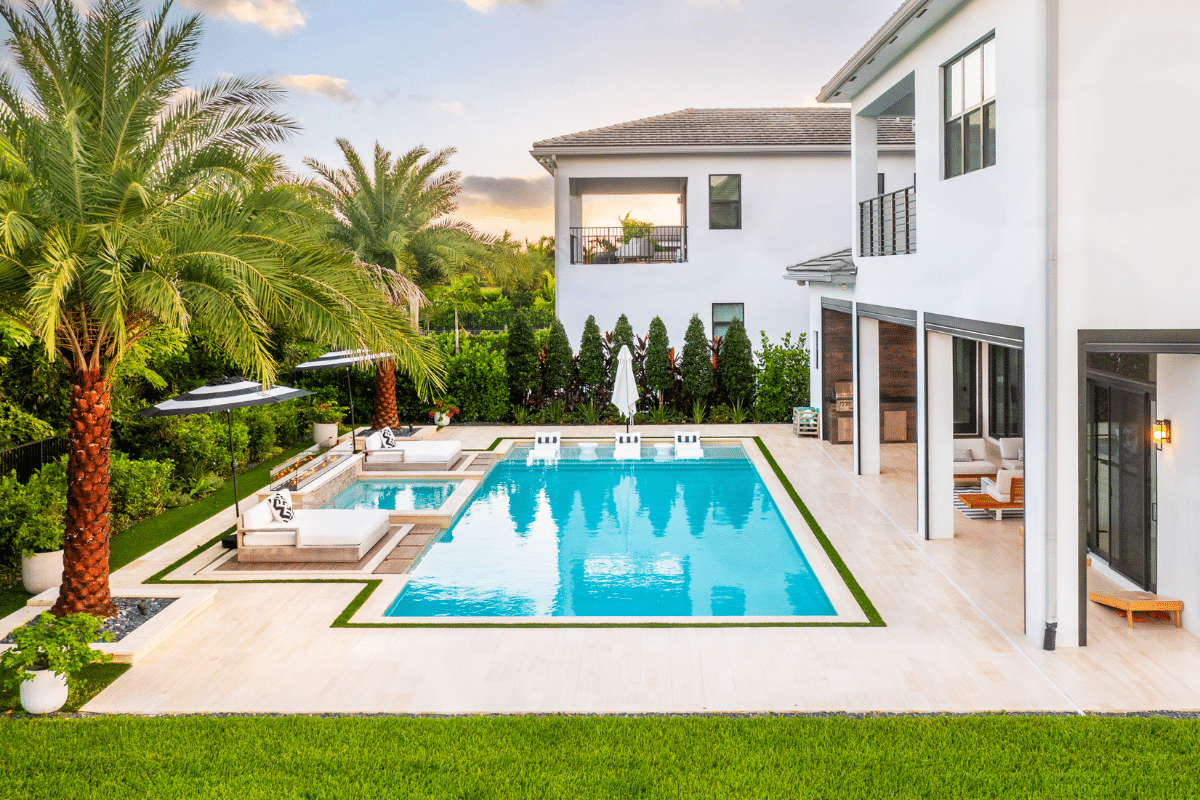
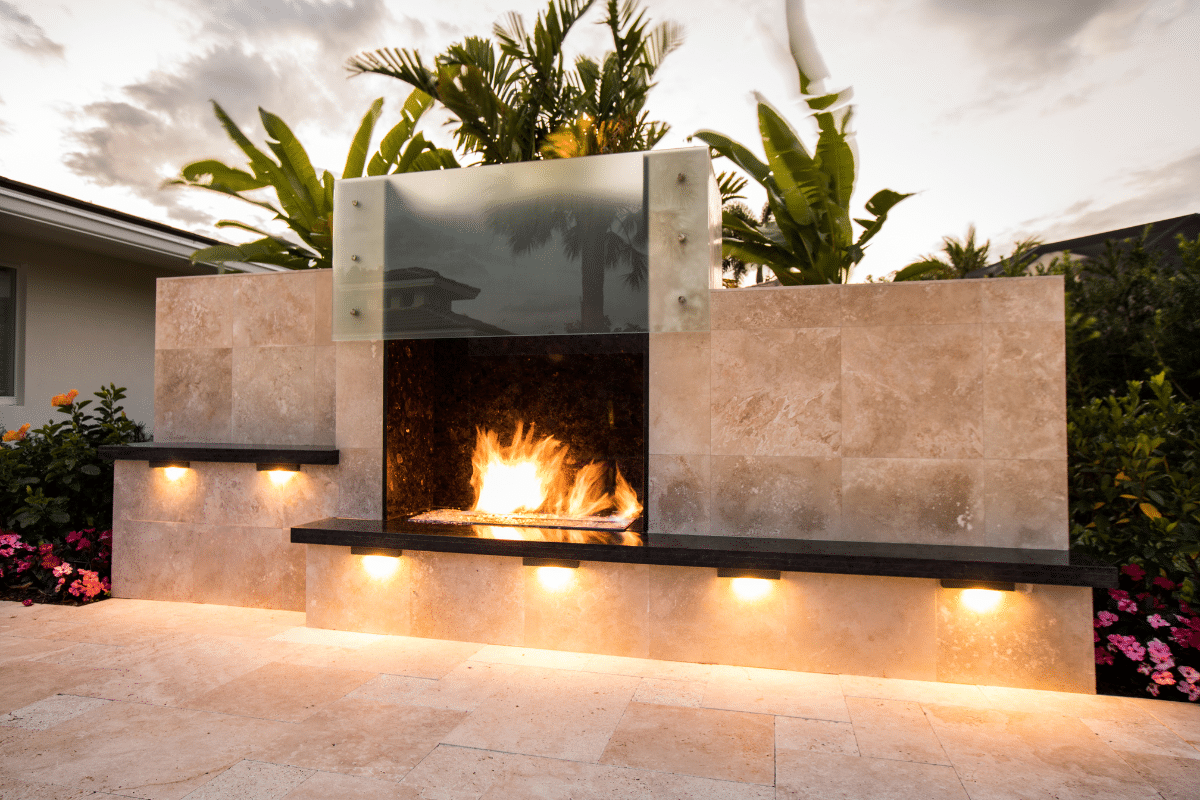
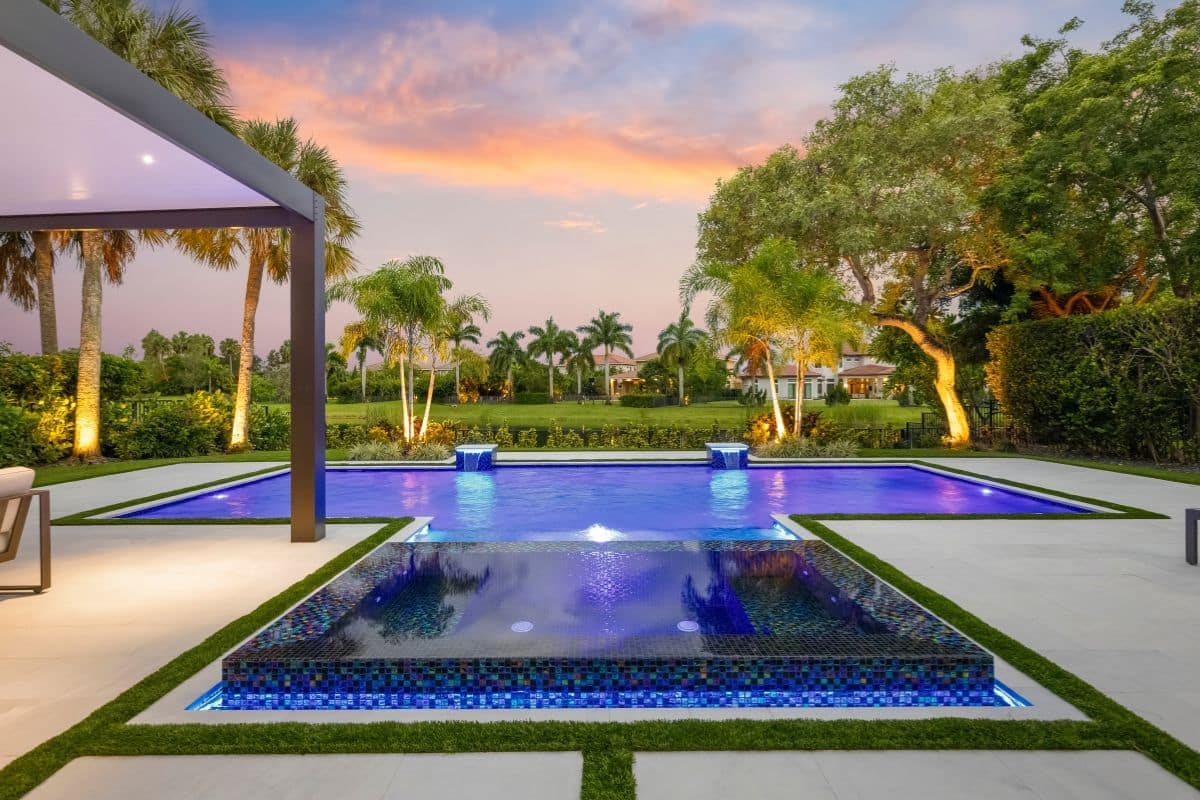
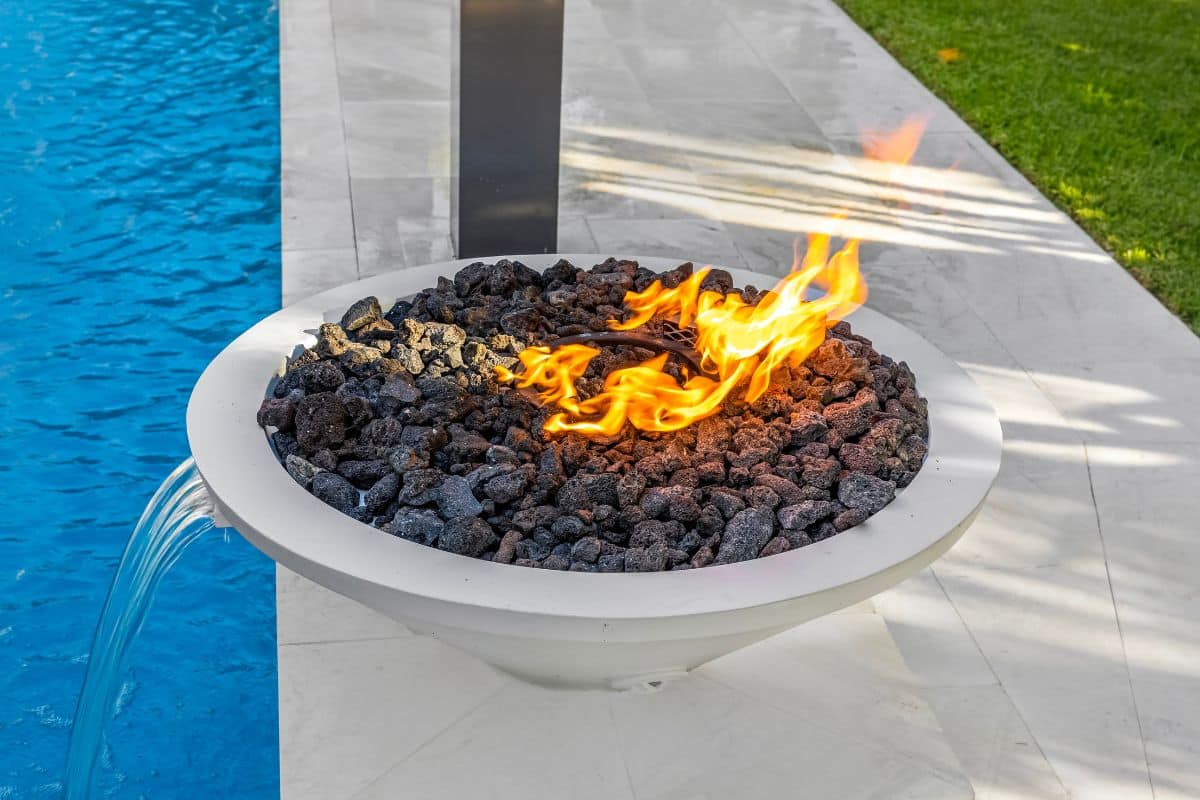
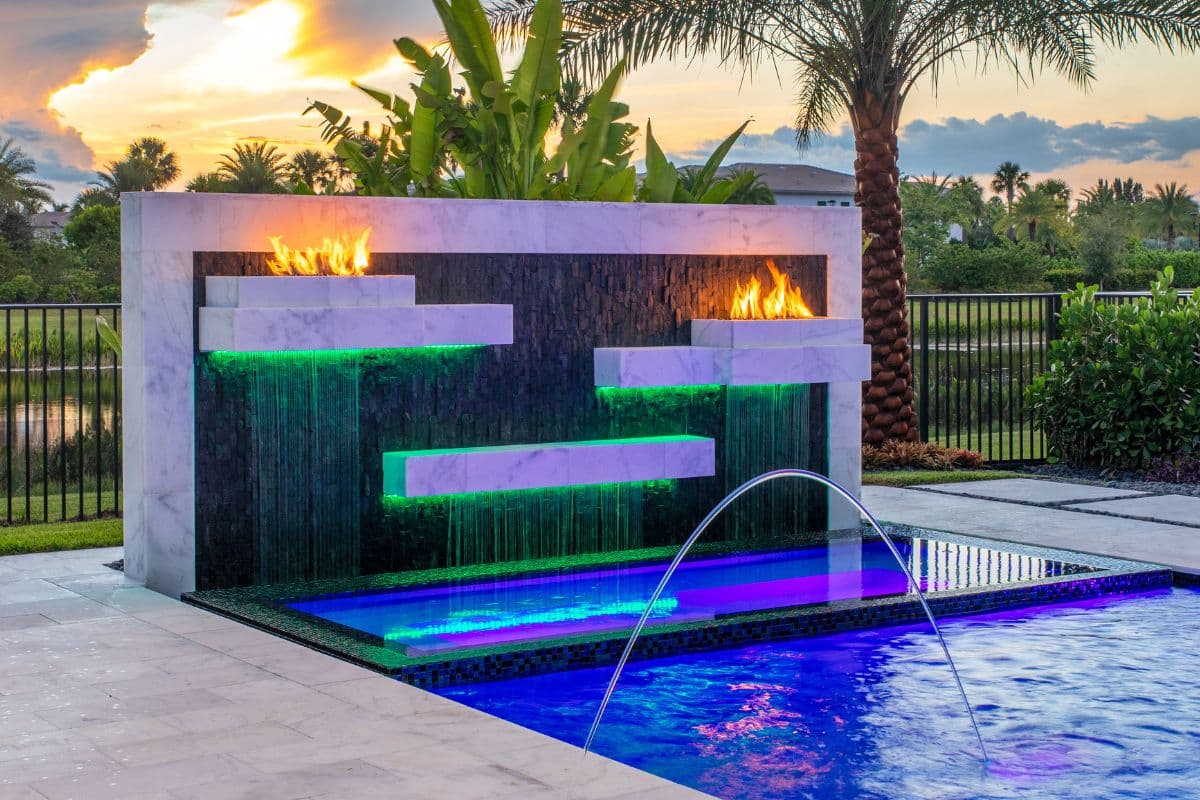
In addition to their functional purpose, retaining walls can also be used to create unique and attractive features in a backyard pool design. Water features, such as waterfalls or fountains, can be incorporated into the retaining wall, adding visual and auditory interest to the pool area. A fire pit or outdoor seating area can also be built into the retaining wall, creating a cozy and inviting space for poolside gatherings.
Overall, a well-designed retaining wall can enhance the aesthetic appeal of a backyard pool while also providing a functional solution for sloped yards. By choosing the right materials and design, pool owners can create a beautiful and functional outdoor space that meets their needs and budget.
Whether you’re building a new pool or renovating an existing one, a retaining wall is an essential element to consider, and with the right design and construction, it can be a stunning feature of your dream home.
Understanding the Purpose of Retaining Walls
Retaining walls are structures that hold back soil, preventing erosion and maintaining the integrity of your landscape. When it comes to pools, these walls are crucial in managing the elevation changes in your yard.
They ensure that your pool remains stable and safe, maintaining the stability and levelness of the ground around the swimming pool, regardless of the natural slope of your property.
Without retaining walls, sloped landscapes can pose significant challenges, including soil erosion and water runoff issues. These walls act as a stabilizing force, ensuring that both the pool and the surrounding landscape maintain their intended form and function.
Furthermore, retaining walls can help to delineate space, creating distinct areas for relaxation, entertainment, and other outdoor activities.
Key Benefits of Retaining Walls in Pool Design
- Erosion Control: Retaining walls help prevent soil erosion, which can damage your pool over time. By mitigating erosion, these walls protect the structural integrity of your pool and its surrounding areas.
- Aesthetic Appeal: With a variety of materials and designs available, retaining walls can enhance the beauty of your pool area. They can be customized to complement your home’s architectural style, adding a layer of sophistication to your outdoor space. Additionally, incorporating garden beds around the pool area can create a harmonious design and enhance the overall aesthetic appeal.
- Space Maximization: They can create additional usable space, perfect for decks or seating areas. This added space can transform your pool area into a multifunctional environment for gatherings, leisure, and outdoor activities.
Moreover, retaining walls can serve as a backdrop for landscaping elements, such as gardens or decorative lighting, further enhancing the visual appeal of your pool area.
By integrating seating or even storage into the design, retaining walls can improve the functionality and usability of your outdoor space, offering practical solutions for everyday living.
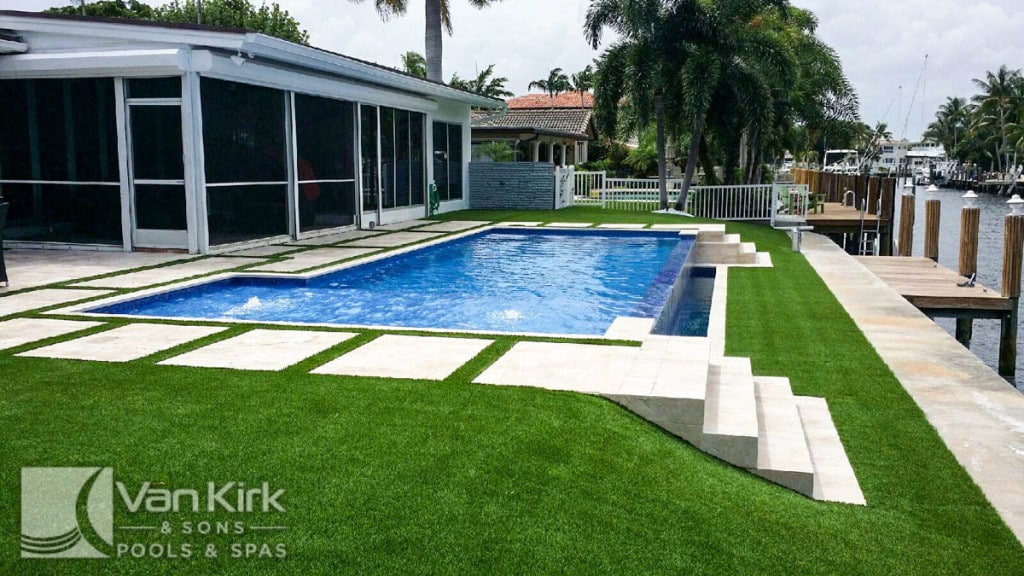
Exploring Pool Retaining Wall Ideas
There are countless ways to incorporate a retaining wall into your pool design. Here are some creative ideas to inspire you:
Adding a waterfall feature can enhance the visual and auditory experience of retaining walls, making the structure more functional and aesthetically appealing, and creating a soothing atmosphere for the surrounding backyard area.
Multi-Tiered Walls
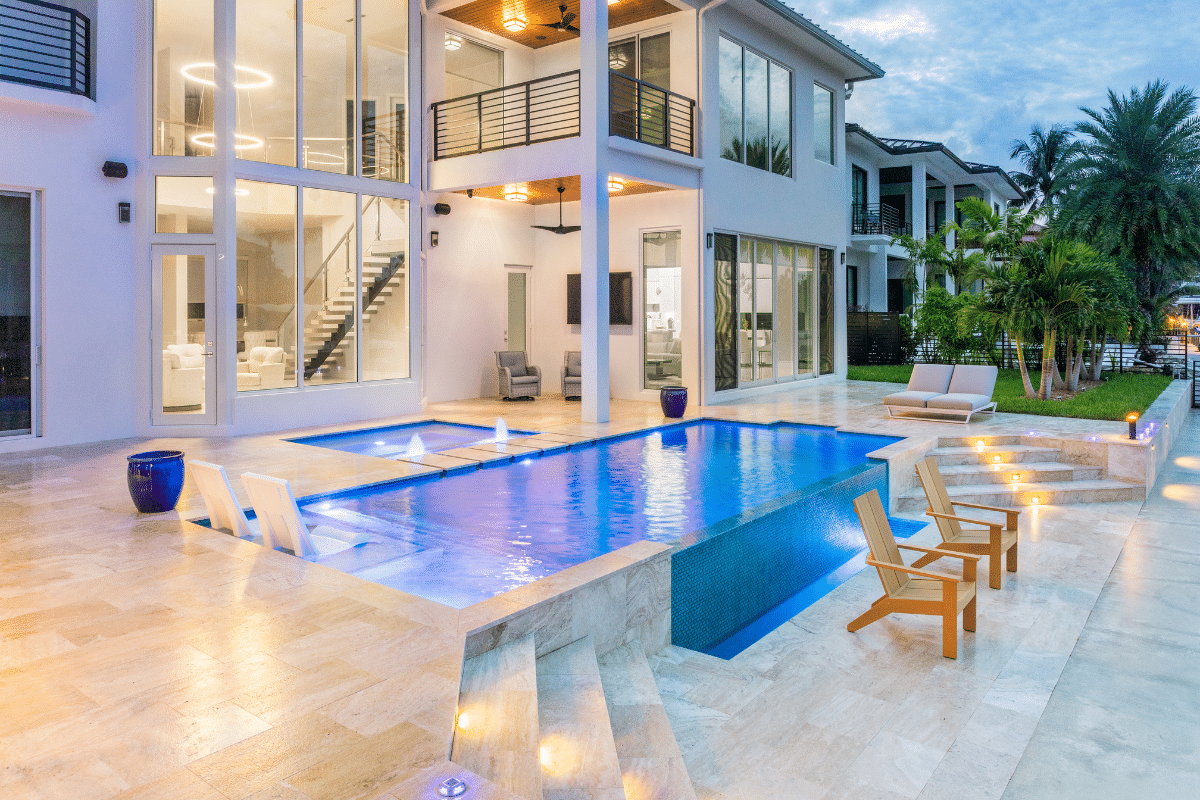
Multi-tiered retaining walls can add depth and interest to your landscape. They provide opportunities for plantings and can be used to create distinct zones within your pool area. By varying the height and width of each tier, you can introduce a dynamic visual element that draws the eye and enhances the overall design.
These tiers can also be functional, serving as planters or seating areas. You can fill the terraced spaces with soil, plants, or other features to enhance stabilization and drainage.
Integrating lighting into the tiers can create a captivating ambiance in the evening, turning your pool area into a stunning nighttime oasis. The terraced effect not only maximizes space but also provides a unique aesthetic that stands out.
Natural Stone Walls
If you desire a more organic look, consider natural stone retaining walls. They blend seamlessly with the surrounding environment and provide a timeless appeal. The natural textures and colors of stone can complement a variety of landscape styles, from rustic to modern.
Tiles can also be used in constructing retaining walls, offering an alternative material option that can enhance the visual appearance of these structures.
Natural stone walls are not only visually appealing but also highly durable, capable of withstanding the elements for decades.
Their natural beauty can be enhanced with strategic lighting and complementary landscaping, creating a harmonious outdoor space that feels like an extension of the natural environment.
Integrated Water Features
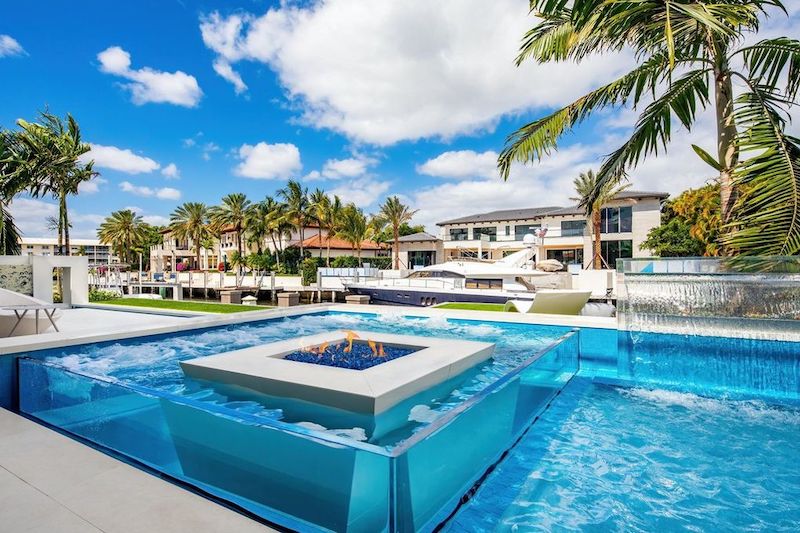
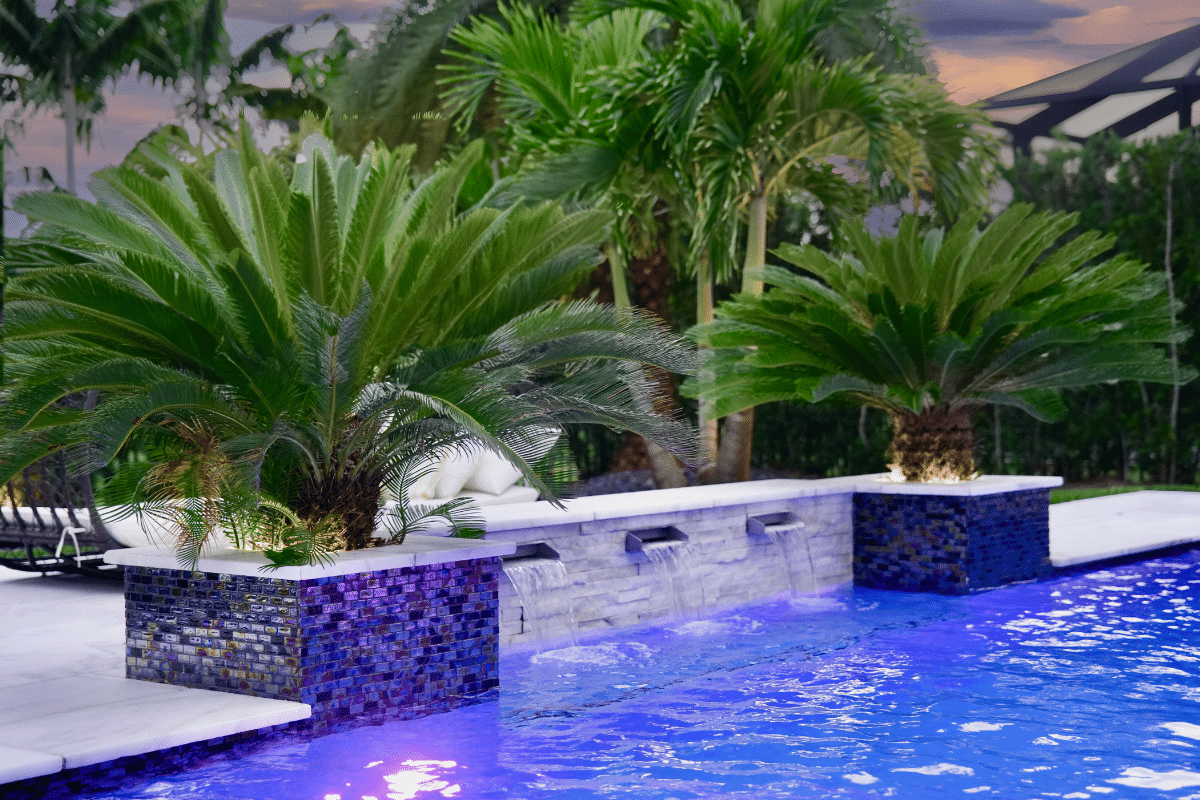
Incorporating a water feature into your retaining wall design can transform your pool area into a tranquil retreat. Waterfalls or cascading water features add both visual and auditory appeal. The soothing sound of flowing water can create a relaxing atmosphere, making your pool area a peaceful escape from everyday stress.
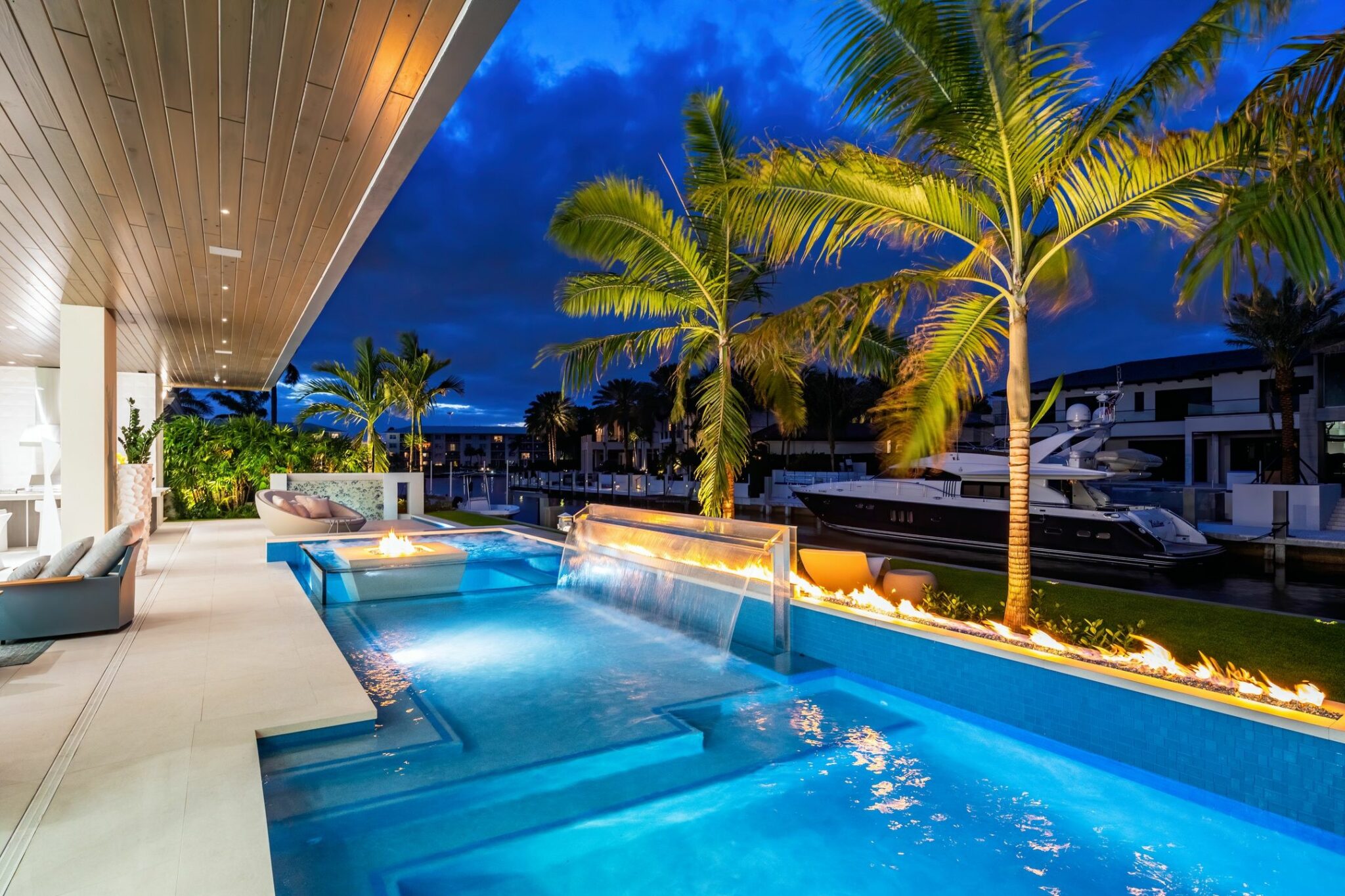
These water features can be customized to fit any design aesthetic, from sleek and modern to natural and rustic. By integrating lighting with these features, you can create a magical nighttime display that enhances both the aesthetic and mood of your pool area.
Seating Walls
Retaining walls can double as seating areas, offering a practical solution for entertaining. These walls provide a cozy spot for guests to relax and enjoy the view. By incorporating cushions or built-in seating, you can enhance comfort and style, making your pool area more inviting. Additionally, it’s crucial to ensure that water does not run onto the patio from the pool area, maintaining both functionality and aesthetics.
Seating walls can be designed to blend seamlessly with the overall aesthetic of your pool area, providing both form and function. They can also serve as a natural gathering spot for family and friends, enhancing the social aspect of your outdoor space.
Materials for Swimming Pool Retaining Walls
Choosing the right materials for your retaining wall is crucial for both aesthetics and functionality. Here are some popular options:
Proper drainage behind retaining walls is essential to prevent water buildup, which can increase pressure on the wall and potentially lead to cracks or structural collapse over time.
Concrete Blocks
Concrete blocks are a versatile and durable choice for retaining walls. They offer a clean, modern look and can be customized with different finishes. Their modular nature allows for creative design possibilities, from curved walls to intricate patterns, and they can be built to various heights, often exceeding two feet, to meet specific needs.
Concrete blocks are highly resistant to weathering and wear, making them a long-lasting option for retaining walls. They can also be easily reinforced to enhance structural integrity, providing peace of mind in terms of safety and stability.
Natural Stone
Natural stone brings a rustic charm to your pool area. It’s durable and available in a variety of colors and textures, allowing you to create a unique look. Stone walls can be designed to match the natural landscape, creating a cohesive and harmonious environment.
The shape of the stone blocks can also be customized to fit the design of your pool and retaining walls, enhancing both aesthetic and functional aspects.
The timeless elegance of natural stone can elevate the aesthetic appeal of your pool area, making it a standout feature. Additionally, stone walls are low maintenance, requiring minimal upkeep to retain their beauty and functionality over time.
Brick
Brick retaining walls offer a classic, timeless appearance. They are sturdy and can be arranged in various patterns to suit your design preferences.
The warm tones and textures of brick can add a welcoming feel to your outdoor space, enhancing the overall appeal of the house.
Brick walls are known for their durability and strength, capable of withstanding the elements for many years. Their versatility in design makes them a popular choice for homeowners looking to create a traditional or contemporary look.
Timber
For a more casual or rustic feel, timber retaining walls are an excellent choice. They blend well with natural surroundings and are relatively easy to install. Timber walls can add warmth and character to your pool area, creating a cozy and inviting atmosphere. A slight slope in the landscape can simplify the installation process, as it allows for easier grading of dirt from the patio.
While timber may require more maintenance than other materials, such as sealing and treatment, its natural beauty and charm make it a worthwhile option. Timber walls can also be customized with stains or paints to match your desired aesthetic.

Designing Your Swimming Pool Retaining Wall
When designing your pool retaining wall, it’s essential to decide on the budget, materials, and overall design based on the specific needs of your project and the terrain involved. Here are some factors to keep in mind:
Assess Your Landscape
Before you begin, assess your landscape to determine the best location and design for your retaining wall, especially if you have sloped terrain.
Consider the slope of your yard, drainage needs, and how the wall will integrate with the overall pool design. A thorough assessment will help you identify potential challenges and opportunities, ensuring a successful project.
Understanding the soil composition and stability is also crucial, as it will impact the type of materials and construction methods you choose.
Consulting with a landscape architect or engineer can provide valuable insights and guidance, ensuring your retaining wall is both practical and visually appealing.
Plan for Drainage
Proper drainage is crucial for the longevity of your retaining wall and pool, as it provides essential support for the soil surrounding in-ground pools. Ensure that your design includes adequate drainage solutions to prevent water buildup and soil erosion. This may involve incorporating weep holes, drainage pipes, or French drains to manage water flow effectively.
Neglecting drainage can lead to serious issues, such as wall failure or pool damage, so it’s essential to prioritize this aspect of your design. By planning for drainage from the outset, you can protect your investment and ensure the long-term success of your retaining wall.
Match Your Style
Choose materials and designs that complement the style of your home and existing landscape. Whether you prefer a modern, rustic, or classic look, your retaining wall should harmonize with its surroundings. This coherence will enhance the overall aesthetic appeal of your outdoor space, creating a unified and visually pleasing environment.
Consider the colors, textures, and patterns that will best suit your style and the architectural features of your home. By integrating these elements into your retaining wall design, you can create a seamless transition between indoor and outdoor spaces.
Safety Considerations
Safety is paramount in any pool design. Ensure that your retaining wall is structurally sound and meets all local building codes and regulations. This may involve consulting with a structural engineer or obtaining necessary permits to ensure compliance.
Incorporate safety features such as railings or non-slip surfaces to enhance the usability and security of your pool area. By prioritizing safety, you can create a welcoming environment for family and guests, providing peace of mind and enjoyment for all. Additionally, managing drainage and soil stability around the pool area is crucial to ensure that the pool deck remains functional and aesthetically pleasing.
Maintenance Tips for Pool Retaining Walls
Once your retaining wall is in place, regular maintenance will keep it looking its best and functioning properly. Additionally, a well-maintained retaining wall is crucial in preventing dirt and sand from entering the pool.
Inspect Regularly
Regularly inspect your retaining wall for any signs of damage or wear. Look for cracks, bulging, or leaning, and address these issues promptly to prevent further damage.
Early detection and repair can save you time and money in the long run, ensuring the longevity of your retaining wall. When installing features like pools and retaining walls, careful planning and consideration of the site conditions are crucial to ensure stability and effective integration into the landscape.
In addition to visual inspections, consider scheduling periodic professional assessments to evaluate the structural integrity of your wall.
These assessments can identify potential issues before they become major problems, providing peace of mind and confidence in your investment.
Clean and Seal
Depending on the materials used, you may need to clean and seal your retaining wall to protect it from the elements.
This will help maintain its appearance and prolong its lifespan. Use appropriate cleaning methods and products for your specific material to avoid damage and ensure optimal results.
Sealing your wall can prevent moisture penetration, reducing the risk of erosion or deterioration. Regular cleaning and sealing will keep your retaining wall looking fresh and vibrant, enhancing the beauty of your pool area.
Additionally, it’s important to consider retaining walls cost, as the price can vary based on factors such as size, materials used, and design choices.
Manage Vegetation
If your retaining wall includes plantings, ensure that they are well-maintained. Overgrown vegetation can damage the wall and hinder drainage. Regular pruning and maintenance will keep plants healthy and prevent them from interfering with the structural integrity of your wall.
Select plants that are suitable for your climate and soil conditions, and consider their growth habits to avoid future issues. By managing vegetation effectively, you can enhance the visual appeal of your retaining wall while ensuring its functionality and longevity.
Elevated swimming pools surrounded by concrete or brick walls can also benefit from this approach, as these walls help keep dirt and sand out of the pool while integrating water features and enhancing the overall design.

Hiring a Professional
While some homeowners may feel confident tackling a retaining wall project themselves, consulting with an experienced pool builder can ensure the best results by determining the necessity and design of retaining walls for pool installations.
A seasoned builder will have the expertise to design and construct a retaining wall that meets your needs and complements your pool area.
Benefits of Professional Installation
- Expertise: Professionals have the knowledge and experience to design a structurally sound and aesthetically pleasing retaining wall. They can provide valuable insights and recommendations to optimize your design and ensure its success.
- Efficiency: A professional team can complete the project quickly and efficiently, minimizing disruptions to your home life. Their experience and resources allow for a streamlined process, ensuring timely completion and high-quality results.
- Peace of Mind: With a professional installation, you can rest assured that your retaining wall is built to last. Professionals adhere to industry standards and best practices, providing confidence in the durability and performance of your wall.
In addition to these benefits, hiring a professional can save you time and stress, allowing you to focus on other aspects of your pool project. By entrusting your retaining wall to experts, you can achieve a beautiful and functional outdoor space that enhances your enjoyment and adds value to your home.
Pool builders also address the challenges of constructing pools in yards with slopes, using solutions like retaining walls to prevent water drainage issues and maintain the integrity of the pool’s structure.
Conclusion
A swimming pool with a retaining wall is more than just a functional necessity; it’s an opportunity to enhance the beauty and usability of your outdoor space.
By understanding the purpose, exploring design ideas, choosing the right materials, and considering professional installation, you can create a stunning pool area that meets your needs and exceeds your expectations.
With the right planning and care, your pool retaining wall will be a lasting investment in your home’s value and your family’s enjoyment.
As you embark on this journey, remember that the overall cost can significantly increase depending on the choices made, particularly in the context of installing a retaining wall for a pool area. With thoughtful consideration and expert guidance, you can transform your backyard into a breathtaking oasis that reflects your personal style and enhances your quality of life.








0 Comments